
gedepangrangomountain.com – Nestled in the lush landscapes of West Java, Mount Gede Pangrango National Park (TNGGP) stands as a treasure trove of biodiversity. This UNESCO World Heritage site boasts an astonishing array of flora and fauna, including some species so rare they’re found nowhere else on Earth. Among these marvels, two standout discoveries have captured the attention of conservationists and nature enthusiasts alike: the enigmatic Leptophryne cruentata, or Blood Frog, and the mystical Macodes petola, commonly known as Anggrek Ki Aksara.
This article takes you deep into the untamed wilderness of Mount Gede Pangrango to explore the rare gems of this extraordinary ecosystem. Let’s uncover the magic of its wildlife, flora, and the unparalleled experiences it offers.
A Rare Encounter: The Blood Frog Returns to the Spotlight

The recent rediscovery of the Blood Frog (Leptophryne cruentata) has sent ripples of excitement through the scientific community. This elusive amphibian, first discovered in the dense forests of Mount Gede and Mount Salak, was believed to be on the brink of extinction. Its vivid blood-red spots, contrasting with its dark brown skin, make it a striking yet elusive inhabitant of the park.
What Makes the Blood Frog Special?
- Unique Appearance: The Blood Frog’s body is a mosaic of blood-red spots on a chocolate-brown background. Measuring just 7 centimeters, its small size and nocturnal habits make it particularly difficult to spot.
- Habitat: This amphibian thrives at altitudes of 1,600 to 2,000 meters above sea level, in areas far removed from human activity. It prefers cool, moist environments deep within the forest.
- Conservation Status: Categorized as critically endangered, the Blood Frog’s rediscovery is a significant milestone for conservation efforts in the region.
The Significance of Its Rediscovery
The sighting of the Blood Frog outside its usual range is not just a biological curiosity—it’s a breakthrough for researchers. New data on its habitat and behaviors will help in developing strategies to protect this fragile species. For now, the Blood Frog remains an ambassador for the park’s exceptional biodiversity.
The Enchanting Anggrek Ki Aksara: Nature’s Living Script
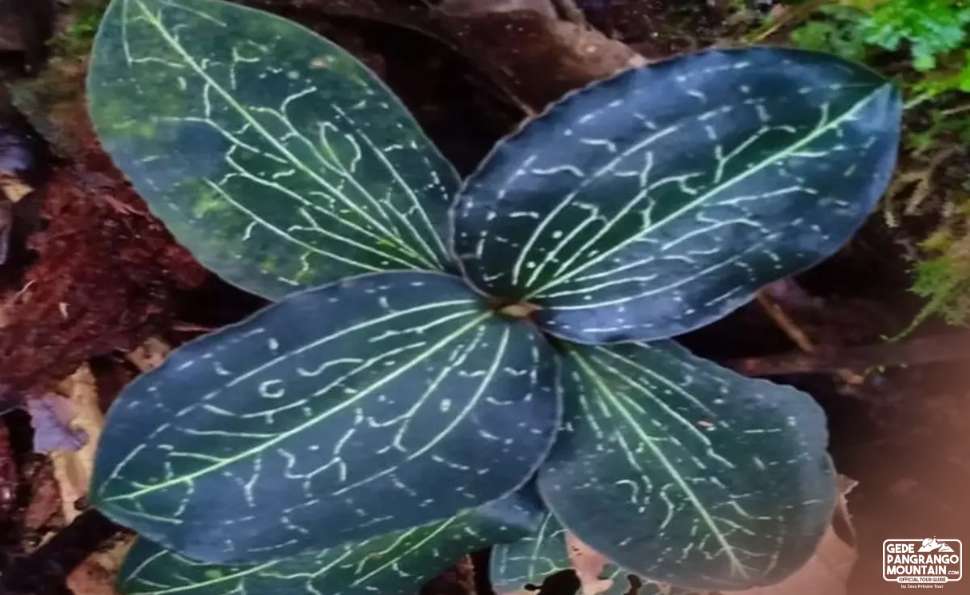
As rare and captivating as the Blood Frog, the Anggrek Ki Aksara (Macodes petola) is a botanical masterpiece. Known for its luminous vein-like patterns that resemble ancient scripts, this orchid adds a touch of ethereal beauty to Mount Gede Pangrango.
Features of the Anggrek Ki Aksara
- Mesmerizing Leaves: The plant’s dark green leaves are adorned with golden-yellow veins that glow faintly in low light, creating an almost magical aura.
- Delicate Flowers: Sprouting from the base of the plant, its flowers are pale yellow or green with intricate red markings, enhancing their visual allure.
- Rare and Protected: Listed under Appendix II of the CITES convention, the Anggrek Ki Aksara is highly protected to prevent overharvesting and habitat loss.
A Glimpse into Its Habitat
The Anggrek Ki Aksara thrives in the damp, shaded forest floors of Southeast Asia. It requires specific conditions, including high humidity and temperatures between 18–25°C. These factors make it a rare jewel, even within the confines of the national park.
Other Rare and Protected Species in TNGGP

Beyond the Blood Frog and Anggrek Ki Aksara, Mount Gede Pangrango is home to a plethora of rare species that highlight the park’s ecological significance.
Rare Fauna
- Javan Leopard (Panthera pardus melas)
A subspecies of the leopard, this apex predator is a symbol of Indonesia’s wilderness. Its numbers are critically low, making every sighting a privilege. - Javan Hawk-Eagle (Nisaetus bartelsi)
Known as Indonesia’s national bird, this regal raptor soars above the canopy, its sharp eyes scanning for prey. - Silvery Gibbon (Hylobates moloch)
Endemic to Java, the silvery gibbon’s haunting calls echo through the park, a reminder of the fragility of primate populations. - Java Pangolin (Manis javanica)
This shy, armored mammal plays a vital role in controlling insect populations but faces threats from poaching.
Rare Flora
- Rafflesia rochussenii
Known for its large, parasitic flowers, this species is one of the few Rafflesia plants found in Java. - Javan Edelweiss (Anaphalis javanica)
Revered by hikers, this “immortal flower” grows at high altitudes and symbolizes eternal beauty. - Nepenthes gymnamphora
This carnivorous pitcher plant is a natural wonder, luring insects into its traps with sweet nectar.
Conservation Challenges and Efforts

Preserving the biodiversity of Mount Gede Pangrango is no small feat. Illegal poaching, habitat encroachment, and climate change pose significant threats. However, the park authorities, supported by local communities and international organizations, are making strides in protecting this unique ecosystem.
Key Initiatives
- Volunteer Patrols: Groups like the Gede Pangrango Operation (GPO) assist in monitoring wildlife and curbing illegal activities.
- Habitat Restoration: Efforts are underway to reforest degraded areas, ensuring the survival of both flora and fauna.
- Public Education: Raising awareness among visitors and locals is crucial to fostering a culture of conservation.
Plan Your Visit: Immerse Yourself in Nature’s Majesty
A trip to Mount Gede Pangrango isn’t just a hike—it’s an immersion into one of Indonesia’s most biodiverse regions. Visitors can embark on guided tours that showcase the park’s rich biodiversity, from hidden waterfalls to the chance of spotting rare species.
What to Know Before You Go
- Best Time to Visit: April to October, during the dry season.
- Permits: Obtain a hiking permit from park authorities.
- Eco-Friendly Practices: Respect the park’s rules—take nothing but pictures, leave nothing but footprints.
Plan Your Adventure to Mount Gede Pangrango National Park
So, if you’re ready to explore the wonders of Mount Gede Pangrango National Park, head over to https://www.javaprivatetour.com/req and let’s start planning your adventure. Or simply click this link: https://wa.link/wk2hur to chat with us on WhatsApp.
With Java Private Tour, you’re not just getting a guide; you’re gaining a friend who will ensure your trip is nothing short of extraordinary. Discover rare wildlife, breathtaking landscapes, and unforgettable experiences.
See you in Mount Gede Pangrango National Park!
FAQs
1. What is the Blood Frog, and why is it important?
The Blood Frog (Leptophryne cruentata) is a critically endangered amphibian with distinctive red spots, found only in Mount Gede Pangrango and Mount Salak. Its rediscovery helps scientists understand its habitat and conservation needs.
2. What makes Anggrek Ki Aksara unique?
Its glowing vein-like patterns and delicate flowers make it one of the most visually striking orchids. It’s also highly rare and protected under international conservation laws.
3. Can visitors see these rare species in the park?
While sightings of these rare species are not guaranteed, visitors can explore their habitats and learn about their significance through guided tours.
4. What other rare species are found in the park?
The park is home to species like the Javan Leopard, Javan Hawk-Eagle, and Rafflesia rochussenii, among others.
5. How can I support conservation efforts?
You can support conservation by following park rules, donating to local organizations, and spreading awareness about TNGGP’s biodiversity.
6. Are there accommodations near the park?
Yes, several eco-lodges and guesthouses around the park offer comfortable stays for visitors.