
gedepangrangomountain.com – Nestled in the heart of West Java, Mount Gede Pangrango National Park is not just a hiker’s paradise; it’s a treasure trove of biodiversity. From its lush tropical forests to its misty mountain peaks, this UNESCO World Heritage Site teems with unique and endemic species that have captured the fascination of scientists and nature lovers alike. But what truly makes this park stand out? Let’s dive into the extraordinary flora and fauna that make Mount Gede Pangrango one of Indonesia’s most cherished ecological wonders.
An Introduction to Mount Gede Pangrango National Park
Established in 1980, Mount Gede Pangrango National Park spans over 24,000 hectares of rich ecosystems. It is dominated by two towering peaks—Mount Gede (2,958 meters) and Mount Pangrango (3,019 meters). This park serves as a vital conservation area, preserving some of Indonesia’s rarest plants and animals while offering breathtaking landscapes to visitors.
As part of the Sundaland biodiversity hotspot, the park boasts a high level of endemism. But what does this mean? Simply put, some species found here exist nowhere else on Earth. From tiny orchids to elusive mammals, Mount Gede Pangrango is a living laboratory of evolution.
The Role of Altitude in Biodiversity
Mount Gede Pangrango’s unique topography creates a variety of habitats, each hosting different species. Its altitudinal range—spanning from lowland tropical rainforests to montane and subalpine zones—plays a crucial role in its rich biodiversity.
- Lowland Rainforests (1,000-1,500 meters): A humid environment teeming with towering trees, dense undergrowth, and colorful birds.
- Montane Forests (1,500-2,400 meters): Cooler temperatures and cloud cover foster mosses, ferns, and unique orchids.
- Subalpine Zone (Above 2,400 meters): Harsh, windy conditions lead to stunted vegetation and rare plant species like the Javan Edelweiss (Anaphalis javanica).
These varying altitudes create microhabitats where specialized species thrive, making the park a biodiversity hotspot.
Flora: A Botanical Wonderland
The Rare and Beautiful Javan Edelweiss
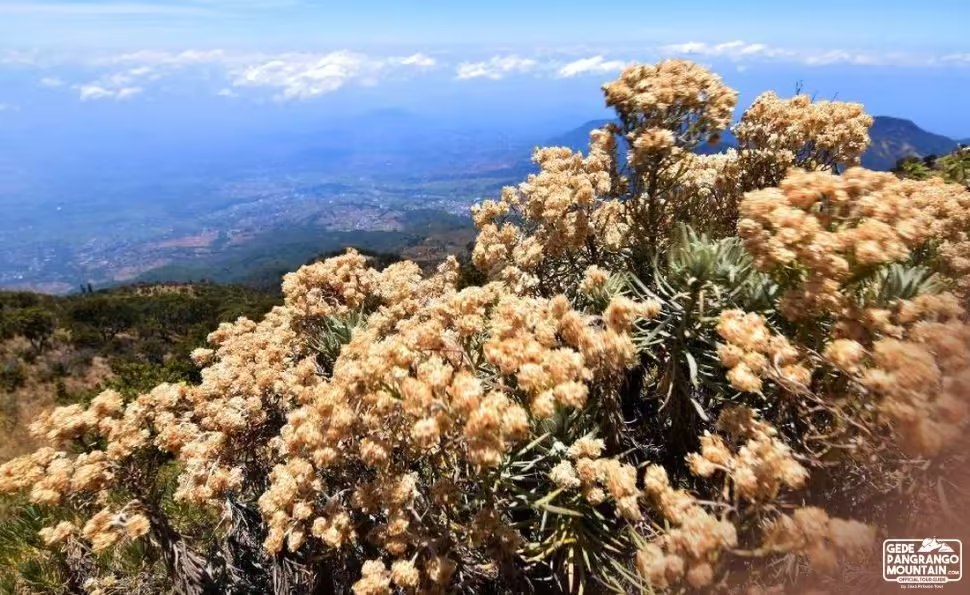
One of Mount Gede Pangrango’s most iconic plants is the Javan Edelweiss, known locally as Bunga Abadi (Eternal Flower). Found in the subalpine meadows, this hardy plant is revered for its resilience and cultural significance. While it thrives in harsh conditions, overharvesting has made its conservation a priority.
Orchids Galore
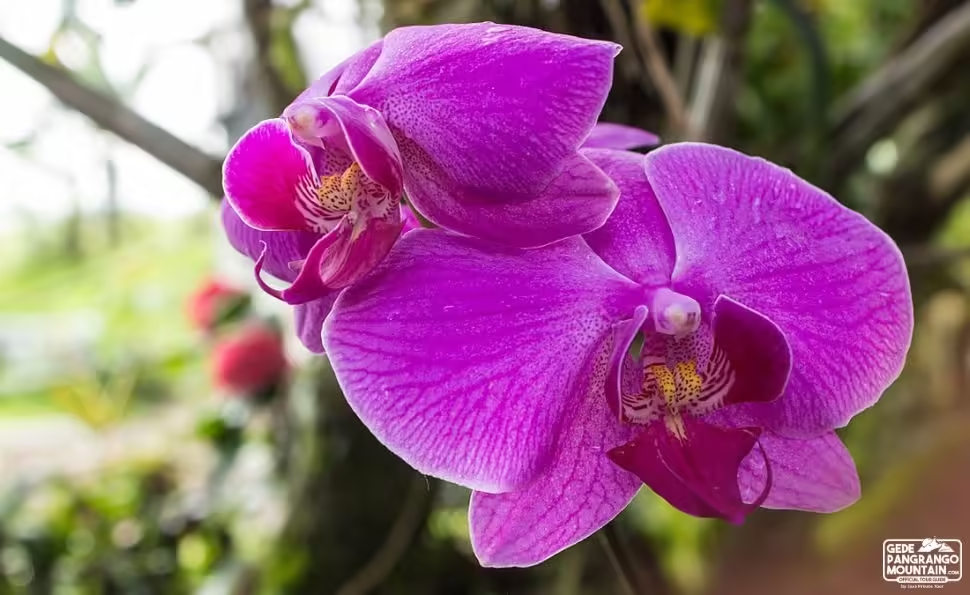
With over 200 species of orchids recorded, the park is a haven for orchid enthusiasts. Some are so rare that they remain unnamed, waiting to be officially described by scientists. Keep an eye out for the enchanting Phalaenopsis javanica, a small, delicate orchid endemic to Java.
Towering Trees and Medicinal Plants
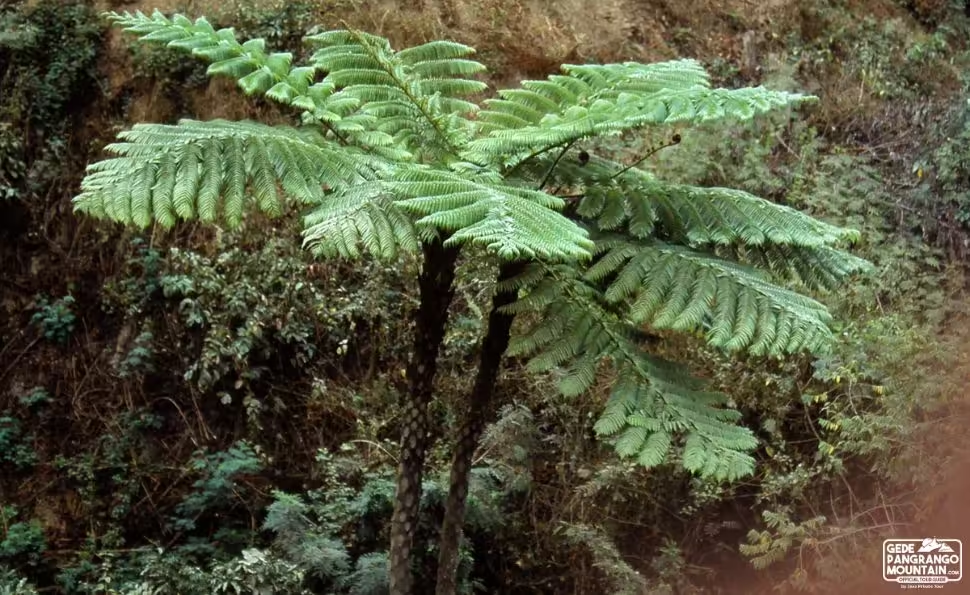
The park’s forests are home to towering Rasamala trees (Altingia excelsa), which can reach heights of up to 50 meters. These giants play a crucial role in maintaining the ecosystem. Meanwhile, locals have long relied on plants like Piper aduncum (Javanese pepper) for traditional medicine.
Fauna: Unique Creatures of the Wild
The Elusive Javan Leopard

The Javan leopard (Panthera pardus melas) is one of the park’s most famous residents. Critically endangered and highly elusive, spotting this big cat is a rare privilege. Its presence underscores the park’s importance as a sanctuary for threatened species.
A Symphony of Birds

Birdwatchers will be thrilled to discover over 250 bird species in the park, including several endemics like the Javan hawk-eagle (Nisaetus bartelsi), Indonesia’s national bird. Its piercing call and striking plumage make it a favorite among visitors.
Frogs and Reptiles
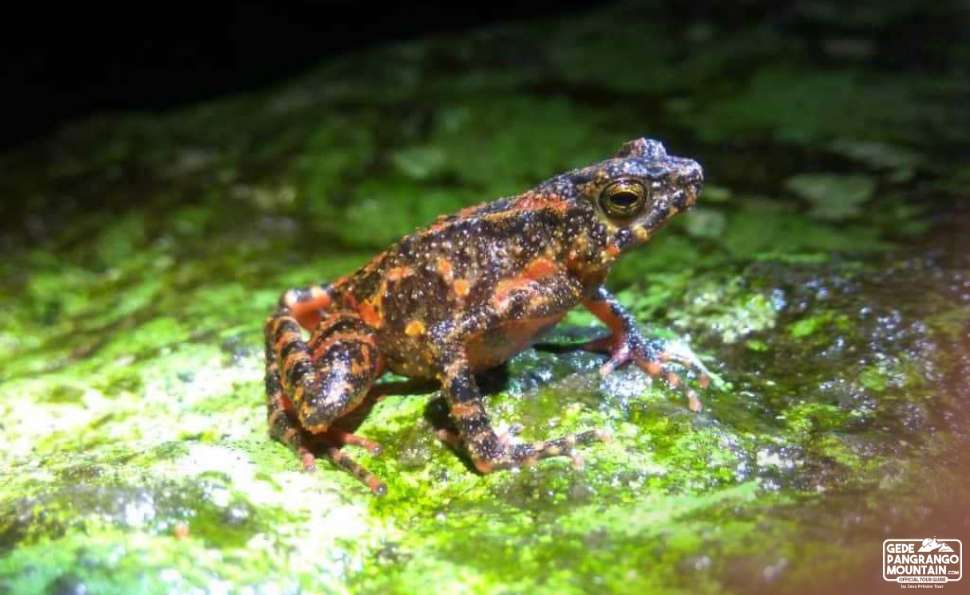
The park is also home to a variety of amphibians and reptiles, many of which are endemic. The Javan tree frog (Rhacophorus margaritifer), with its bright green color, is a standout species often seen in the park’s wetlands.
Why Conservation Matters
Despite its beauty, Mount Gede Pangrango faces challenges like habitat destruction, climate change, and poaching. Conservation efforts are crucial to protecting the park’s fragile ecosystems. The national park authority, along with local communities and international organizations, works tirelessly to safeguard this biodiversity hotspot.
Visiting Responsibly: How You Can Help
When exploring Mount Gede Pangrango, it’s essential to tread lightly. Here are some tips:
- Stick to designated trails to avoid disturbing wildlife.
- Refrain from picking plants, especially endangered ones like Javan Edelweiss.
- Carry out all your trash and avoid single-use plastics.
By respecting these guidelines, you contribute to preserving the park’s natural beauty for future generations.
Plan Your Adventure Today!
Mount Gede Pangrango is more than just a destination—it’s an experience. Whether you’re a nature lover, a photography enthusiast, or someone seeking peace in the great outdoors, this park has something for everyone. Imagine standing atop Mount Gede, watching the sunrise paint the sky with fiery hues while being surrounded by some of the rarest species on Earth.
Ready to Discover Mount Gede Pangrango?
So, if you’re ready to explore the wonders of Mount Gede Pangrango and uncover its incredible endemic species, head over to our REQUEST PAGE and let’s start planning your adventure. Or you can simply CLICK THIS LINK to chat with us on WhatsApp.
With Java Private Tour, you’re not just getting a guide; you’re gaining a trusted companion to make your trip unforgettable. See you in Mount Gede Pangrango!