
gedepangrangomountain.com – Gede Pangrango National Park is one of Indonesia’s most cherished natural reserves. Located in West Java, this park spans over 24,270 hectares and serves as a sanctuary for thousands of plant and animal species. With its dense tropical rainforest, towering peaks, and cascading waterfalls, the park is not just a breathtaking tourist attraction but a crucial hub for conservation and environmental protection.
Biodiversity Hotspot: Home to Unique Flora and Fauna
Gede Pangrango National Park is recognized as a UNESCO Biosphere Reserve, highlighting its global importance in biodiversity conservation. The park shelters many endemic species, including:
Rare and Endemic Plant Species
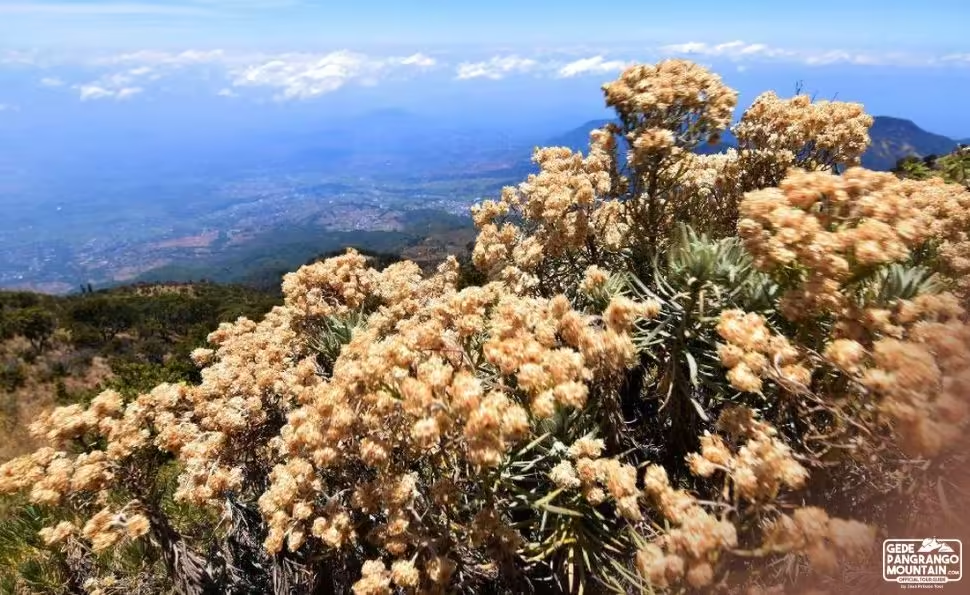
- Edelweiss Flowers (Anaphalis javanica) – Known as the “flower of eternity,” edelweiss thrives in the higher altitudes of the park.
- Rafflesia patma – A rare parasitic flower with a strong scent, often mistaken for its famous cousin, Rafflesia arnoldii.
- Nepenthes (Tropical Pitcher Plant) – A unique carnivorous plant that helps control insect populations.
Wildlife Conservation Efforts
The park is home to over 250 bird species, 100 mammal species, and countless reptiles and amphibians. Many of these species are threatened by habitat destruction, making the park a critical area for their survival.
Protecting the Endangered Species of the Park
The Javan Gibbon: A Symbol of Conservation
One of the most iconic species in the park is the Javan Gibbon (Hylobates moloch). These agile primates are highly endangered due to deforestation and illegal pet trade. Conservation programs within the park work tirelessly to rehabilitate and protect these primates.
The Elusive Javan Leopard

The Javan Leopard (Panthera pardus melas) is one of the last remaining big cats on the island. Strict conservation measures are in place to monitor and preserve its habitat.
Birdwatcher’s Paradise: Avian Species in the Park
For bird enthusiasts, the park is a dream destination. The Javan Hawk-Eagle, a critically endangered species, is often spotted soaring above the forests, making it an icon of Indonesia’s wildlife conservation efforts.
The Park’s Role in Climate Regulation
Forests play a crucial role in absorbing carbon dioxide, and Gede Pangrango’s dense canopy contributes significantly to carbon sequestration, helping mitigate the effects of climate change. Additionally, the park regulates local climates by maintaining rainfall patterns and protecting against extreme weather conditions.
Water Catchment and Hydrological Benefits
Gede Pangrango National Park is an essential water source for millions of people in Jakarta, Bogor, and other surrounding areas. By maintaining healthy watersheds, the park helps prevent floods in the rainy season and droughts in the dry season.
The Impact of Tourism on Conservation
Tourism can be a double-edged sword—while it brings economic benefits, it also poses threats if not managed responsibly. Sustainable tourism initiatives, such as eco-lodges and guided nature tours, help visitors appreciate the park without causing damage.
Conservation Challenges and Threats
Despite its protected status, the park faces serious threats:
- Deforestation due to illegal logging and land encroachment.
- Poaching and illegal wildlife trade affecting endangered species.
- Climate change, altering ecosystems and threatening biodiversity.
Sustainable Conservation Strategies
To combat these threats, the park implements:
- Strict government regulations to curb illegal activities.
- Community engagement programs encouraging locals to participate in conservation.
- Partnerships with NGOs to fund and support sustainable projects.
How Visitors Can Contribute to Conservation
If you’re planning a visit, consider:
- Practicing zero-waste travel—bring reusable items and avoid littering.
- Supporting conservation initiatives—donate or volunteer for eco-programs.
- Choosing guided tours that prioritize sustainability—such as those offered by Java Private Tour.
Conclusion: Why Protecting Gede Pangrango Matters
Gede Pangrango National Park is more than just a tourist attraction; it’s a lifeline for Indonesia’s biodiversity, climate stability, and water security. Protecting it ensures that future generations can continue to experience its wonders.
Plan Your Eco-Friendly Adventure Today!
So, if you’re ready to explore the wonders of Gede Pangrango National Park, head over to our REQUEST PAGE and let’s start planning your adventure. Or you can simply CLICK THIS LINK to chat with us on WhatsApp. With Java Private Tour, you’re not just getting a guide; you’re gaining a trusted companion to make your trip unforgettable. See you in Mount Gede Pangrango!