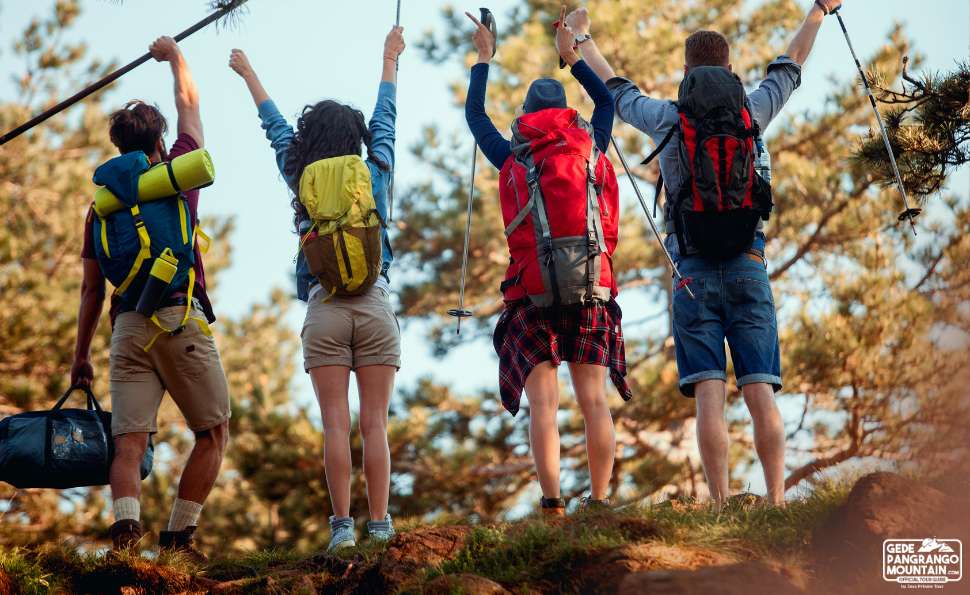
gedepangrangomountain.com – Imagine waking up before dawn, the air still heavy with mist, and the sound of gibbons echoing through the rainforest. This is how many journeys to Mount Gede begin—a mystical volcano standing proudly at 2,958 meters in West Java. Just a few hours from Jakarta or Bandung, Mount Gede is one of Indonesia’s most beloved hiking destinations, offering not only a challenging trek but also a breathtaking showcase of nature’s wonders.
Why Hike Mount Gede?
Mount Gede is part of the Gede Pangrango National Park, a UNESCO Biosphere Reserve. The trails lead you through dense tropical rainforest, past cascading waterfalls, steaming hot springs, and mossy rocks. Along the way, you may spot Javan langurs, hornbills, or even the elusive Javan hawk-eagle. At the summit, you’ll be rewarded with panoramic views of the crater, neighboring peaks, and the sea of clouds stretching endlessly below.
Main Hiking Routes
Cibodas Route
This is the most popular trail and often chosen for first-time hikers. Starting from the Cibodas basecamp, the path takes you past Cibeureum Waterfall, the famous hot springs, and Kandang Badak campsite before pushing toward the summit. Expect lush rainforest, slippery trails, and plenty of natural beauty.
Gunung Putri Route
Shorter but steeper, this route begins at Cipanas. Hikers love it for its direct ascent, which can save time but requires good stamina. The trail joins up with the main path at Kandang Badak before the final push to the peak.
Selabintana Route
The longest and least crowded option, Selabintana offers a real wilderness experience. It’s perfect for those who enjoy solitude and raw adventure, but it requires more time and preparation.
What to Expect on the Trail
- Waterfalls: The Cibeureum Waterfall is a refreshing stop early on the Cibodas route.
- Hot Springs: Naturally heated pools where steam rises into the jungle air.
- Kandang Badak: A campsite and meeting point before the summit push.
- Summit Crater: A surreal landscape with volcanic vents and breathtaking sunrise views.
Best Time to Hike Mount Gede
The best season is during the dry months (May to September). The trails are less muddy, and the chances of clear views from the summit are much higher. The park usually closes for maintenance in January–March, so check ahead before planning your trip.
Tips for a Successful Hike
- Start early—many hikers begin before midnight to catch the sunrise at the summit.
- Pack light but bring essentials: rain jacket, headlamp, snacks, and plenty of water.
- Book your entry permit in advance—visitor quotas are strictly limited.
- Wear sturdy trekking shoes; the trails can be muddy and slippery.
- Hire a local guide if it’s your first time; they know the terrain and add safety to your adventure.
Conclusion
Hiking Mount Gede isn’t just a physical journey—it’s a sensory adventure filled with misty forests, volcanic landscapes, and encounters with wildlife. Whether you’re after a one-day hike or a two-day camping experience, the mountain offers memories you’ll carry forever.
So, if you’re ready to explore the wonders of Mount Gede, head over to our ONLINE BOOKING PAGE and let’s start planning your adventure. Or simply CLICK THIS LINK to chat with us on WhatsApp. With our team, you’re not just getting a guide; you’re gaining a local friend who will ensure your trip is nothing short of extraordinary.