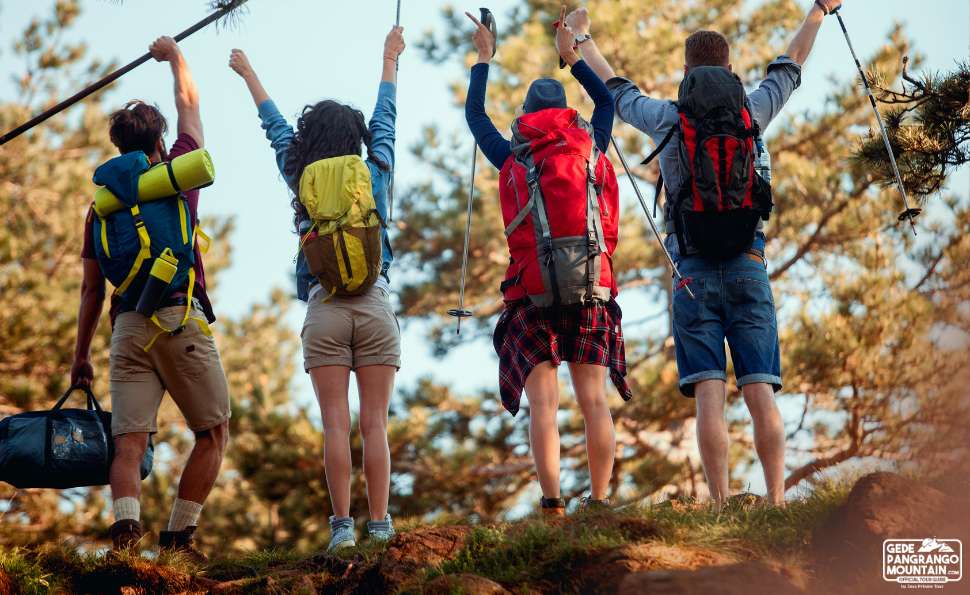
gedepangrangomountain.com – Stepping into the cool morning air of Mount Gede Pangrango, you can feel how every sound, every texture, every breath of mist carries a story. The forest hums with life: the soft rustle of moss, the distant song of a whistling thrush, the earthy scent rising from the volcanic soil. For many trekkers, this is the start of an adventure they will never forget. But behind every safe and enjoyable journey stands a quiet foundation of support, the guide who leads and the porter who carries.
The Essential Role of a Guide
A Leader on Challenging Terrain
A guide is not simply a walking companion. They are the head, heart, and compass of the expedition. When you step into Gede’s dense lower forest, where vines hang like curtains and the morning fog wraps the path in silver, it is the guide who knows where the trail bends, where the rocks get slippery, and where tree roots create hidden steps.
A guide leads the route, adjusting the pace so no one is left behind. They communicate clearly, calmly, and confidently — traits that matter immensely on the mountain where weather can shift without warning. When clouds roll in and visibility drops, the guide reads the environment the way most people read a map.
Responsibilities of a Guide
A qualified trekking guide carries a wide range of responsibilities, including:
- Choosing the safest and most appropriate trail. They know not only where the path goes, but why certain sections should be avoided during rain or heavy wind.
- Maintaining a steady and inclusive pace. Guides study group dynamics: who gets tired faster, who needs a break, who requires more encouragement.
- Monitoring weather conditions and natural hazards. This includes watching for sudden rainfall, landslide-prone slopes, slippery volcanic terrain, and changes in cloud patterns.
- Handling emergencies. From first-aid responses to evacuation decisions, guides must be calm and decisive.
- Coordinating permits and communication. They often liaise with basecamp teams, park authorities, and emergency support networks.
The Expertise Behind a Good Guide
Becoming a guide requires more than just physical fitness. It requires deep knowledge shaped by experience, training, and respect for the mountain. A qualified guide usually has:
- Strong navigation skills using maps, compasses, and natural indicators.
- First-aid certification, including handling altitude-related discomfort, cramps, and injuries.
- Leadership ability, especially in diverse groups.
- Communication skills to educate hikers about nature, culture, and safety.
- Mental resilience, essential in stressful or unpredictable conditions.
Guides often become storytellers on the trail — pointing out bird calls, explaining the scent of the wet moss, or sharing legends of Pangrango’s ancient forests. Their wisdom keeps the journey fascinating as well as safe.
The Backbone of the Trek: The Porter
Strength Behind the Scenes
If the guide is the mind of the expedition, then the porter is its muscle. Porters carry the heavy loads that make the journey possible — from tents and cooking gear to water, food, and shared equipment. Without their strength, every trek would slow down dramatically, especially for beginners or large groups.
On the steep trails of Mount Gede, where every step can feel heavier in the thin mountain air, porters move with a quiet rhythm and remarkable endurance. They walk efficiently, distribute weight carefully, and help create a comfortable experience for the entire team.
What Porters Do
The responsibilities of a porter typically include:
- Carrying essential logistics. This includes tents, stoves, cooking sets, group food supplies, and sometimes even extra clothing or water.
- Helping set up camp. Porters often pitch tents, prepare sleeping areas, and organize communal equipment.
- Guarding equipment at camp. When trekkers go for summit attempts at dawn, porters stay behind to secure tents and belongings.
- Assisting with basic camp tasks. Some help collect water, maintain cleanliness, and keep camp areas orderly.
Porter Ethics and Professionalism
Porters are known for their impressive strength and endurance, but they are still human beings who deserve fairness and respect.
Good etiquette toward porters includes:
- Never overloading them beyond reasonable weight limits.
- Providing fair compensation based on group size and duration.
- Avoiding disrespectful treatment.
- Acknowledging their contribution verbally and through shared appreciation.
- Not leaving extra unnecessary items for them to carry.
Porters form the backbone of trekking culture in Indonesia. Without them, large expeditions simply would not be possible.
Comparing Their Roles: Guide vs Porter
Although guides and porters work together, their jobs are distinct and cannot replace one another. Here is a clear comparison:
1. Core Mission
Guide: Leads the team safely and makes all major decisions.
Porter: Supports the team by managing logistical weight.
2. Responsibility Level
Guide: Responsible for the entire group’s safety and direction.
Porter: Responsible for the equipment and camp logistics.
3. Required Skills
Guide: Navigation, leadership, communication, risk assessment, first aid.
Porter: Physical strength, load management, endurance, camp operations.
4. Position in Team Structure
Guide: Expedition leader.
Porter: Operational support team.
5. Interaction with Trekkers
Guide: Gives instructions, guidance, and educational insights.
Porter: Helps with equipment and camp needs but does not make leadership decisions.
Together, they form a balanced system — the guide ensures the path is safe, and the porter ensures the journey is bearable.
Why Guides and Porters Are Equally Important
On Mount Gede Pangrango, trekking success is never about speed or strength alone. It is about balance, teamwork, and mutual support.
- Guides protect you from hazards, wrong turns, bad weather decisions, and panic during emergencies.
- Porters protect your energy, allowing you to walk lighter and enjoy the scenery with less strain.
Imagine climbing the steep stair-like roots near Kandang Badak while carrying twenty kilograms on your back — suddenly the calm, sturdy presence of a porter becomes invaluable. Or imagine navigating the slippery volcanic boulders after rainfall without someone experienced guiding your steps — suddenly, the importance of a guide becomes undeniable.
Ethical Interaction with Guides and Porters
As trekkers, we have a moral responsibility to respect the people who work so hard to support our journey. Good etiquette includes:
- Treating them as equals, not subordinates.
- Listening to the guide’s instructions, especially when related to safety.
- Not forcing porters to carry burdens beyond reasonable limits.
- Offering appreciation, whether through kind words or a simple thank-you gesture.
- Keeping the mountain clean so they are not burdened by extra waste.
Conclusion: Two Roles, One Shared Purpose
A mountain trek is never accomplished alone. Behind the breathtaking views, the quiet forest trails, and the joy of reaching the summit, there is a team working together with dedication.
The guide leads the way, makes the decisions, protects the group, and shares wisdom about nature.
The porter carries the load, supports the camp, and ensures comfort throughout the journey.
Together, they make it possible for trekkers to explore the beauty of Mount Gede Pangrango with confidence, safety, and ease. When you walk through the mossy forests, cross the cold mountain streams, or watch the sunrise paint the horizon golden, remember that your steps are lighter because someone is lifting you — in more ways than one.
So, if you’re ready to explore the wonders of Mount Gede, head over to our ONLINE BOOKING PAGE and let’s start planning your adventure. Or simply CLICK THIS LINK to chat with us on WhatsApp.
With our team, you’re not just getting a guide; you’re gaining a local friend who will ensure your trip is nothing short of extraordinary.