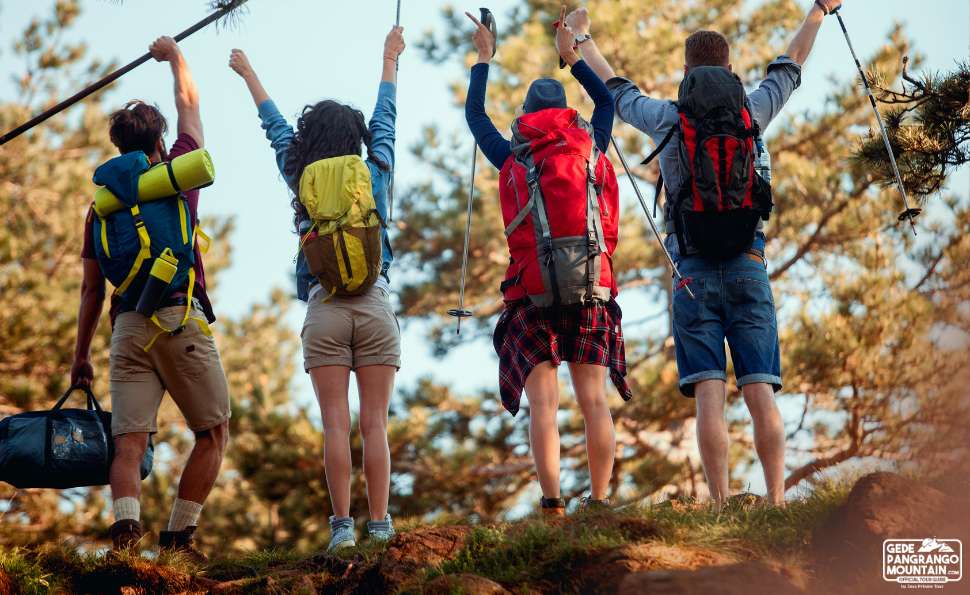
gedepangrangomountain – walk quietly along the misty trails of Mount Gede, and you may feel it — the deep sense that something wild is watching from the forest beyond the path. Yet despite the park’s rich biodiversity, sightings of large animals are rare along popular hiking routes. This is not an accident, and it is not because these animals are gone. It is because they are wise.
As someone who has spent years guiding and listening to the forest of Mount Gede–Pangrango National Park, I can tell you this: the mountain is alive, but it chooses when and where to reveal itself. In this guide, we’ll explore why large animals avoid popular hiking trails, how human activity shapes wildlife behavior, and what this teaches us about respectful trekking in one of Java’s most important conservation areas.
Mount Gede Pangrango A Sanctuary for Wildlife
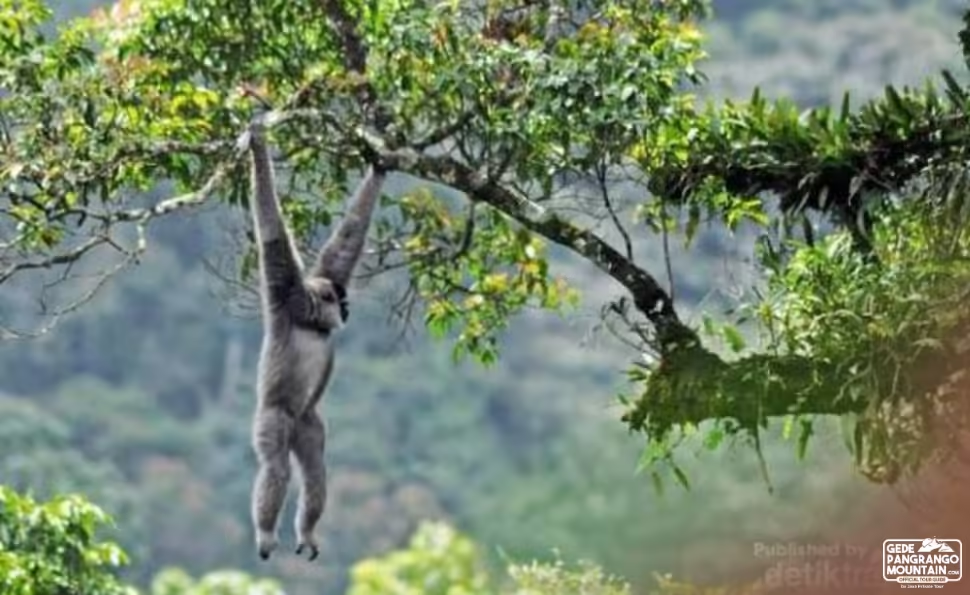
Mount Gede Pangrango National Park is one of West Java’s last strongholds of intact montane and subalpine forest. Within its boundaries live some of Java’s most iconic animals, including the Javan leopard, Javan gibbon, surili, wild boar, barking deer, and even the elusive Javan slow loris.
These animals depend on quiet forest corridors, dense vegetation, and stable ecosystems. While hikers often imagine that wildlife disappears because of deforestation, in protected areas like Mount Gede, the reality is more subtle: animals adapt their movements to avoid humans.
Understanding Animal Behavior in Volcanic Forests
Animals Are Masters of Energy Conservation
Large mammals expend significant energy when moving. Encountering humans — unpredictable, noisy, and unfamiliar — represents a potential threat. Over time, animals learn that popular hiking trails are high-risk zones, especially during daylight hours.
Rather than confronting humans, they simply adjust their schedules, using these areas late at night or avoiding them entirely.
Noise and Scent Travel Far in Mountain Terrain
In volcanic forests like Mount Gede’s, sound travels easily along ridges and valleys. Conversations, trekking poles striking rocks, and even the rustle of rain jackets send signals deep into the forest. Human scent, carried by cool mountain air, can linger long after hikers pass.
To wildlife, these signals mean one thing: disturbance.
Popular Trails vs Wildlife Corridors
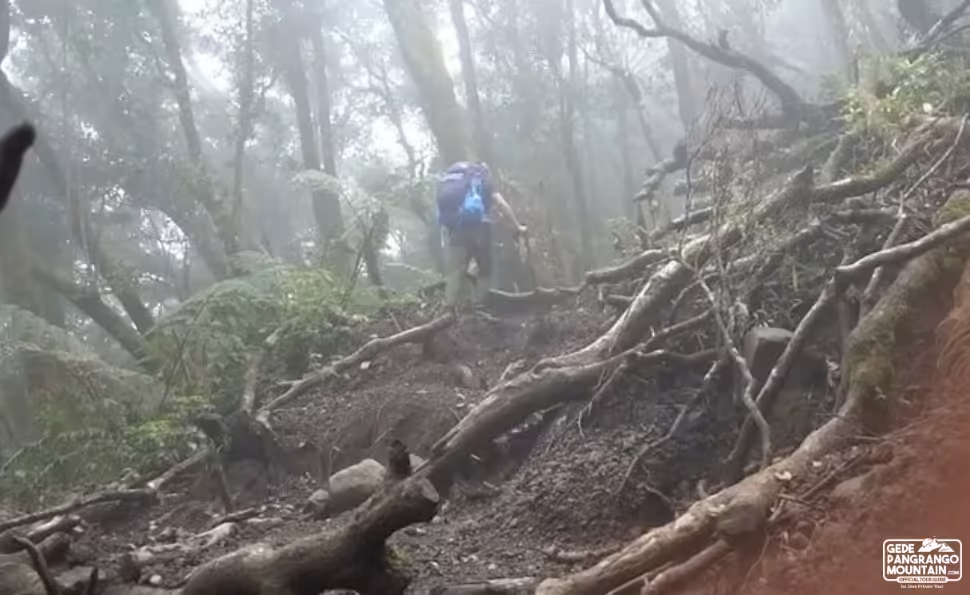
Most official hiking routes on Mount Gede — such as the Cibodas Trail or Gunung Putri route — were designed for safety, erosion control, and visitor management. While excellent for trekkers, these paths cut through habitats that animals now perceive as unstable.
Large animals prefer:
- Dense undergrowth away from clear paths
- Steep or rugged terrain avoided by hikers
- Natural water sources far from campsites
- Silent forest interiors with minimal human presence
This is why experienced guides rarely promise wildlife sightings along busy trails — the mountain doesn’t work that way.
Human Presence Changes Wildlife Patterns
Daytime Becomes Unsafe for Large Animals
In heavily visited areas, animals often become nocturnal by necessity. Species that once moved freely during the day now wait until darkness, when trails fall silent.
This shift protects animals but can disrupt natural feeding and breeding cycles — one of the hidden costs of overtourism.
Food Conditioning Is Actively Avoided
Unlike urban parks, Mount Gede Pangrango enforces strict rules against feeding wildlife. Animals here have learned to avoid human food sources, which is good for conservation — but it also means fewer visible encounters.
This separation helps preserve natural behavior and keeps both animals and hikers safe.
Rare Sightings Do Happen — And Why That Matters
Occasionally, a hiker may glimpse a deer crossing the trail at dawn, hear the deep call of a gibbon echoing through the valley, or spot fresh leopard tracks near muddy ground. These moments are special precisely because they are rare.
They remind us that Mount Gede is not a zoo — it is a living, breathing ecosystem that operates on its own terms.
How Responsible Trekking Supports Wildlife
As visitors, we play a role in shaping the mountain’s future. Responsible trekking ensures that wildlife continues to thrive, even if we rarely see it.
Simple Practices That Make a Big Difference
- Keep voices low and avoid shouting
- Stick to designated trails
- Never leave food scraps behind
- Avoid sudden movements in forested areas
- Trek with experienced local guides
These small actions help maintain the invisible boundaries animals rely on for survival.
Why Guided Treks Matter on Mount Gede
At Java Private Tour, we understand these delicate dynamics. We are not a generalist travel provider hopping from one destination to another. Java Private Tour is a specialist, deeply focused on Mount Gede–Pangrango and other protected landscapes in Java.
Our guides are trained not only in safety and navigation, but also in environmental awareness, wildlife behavior, and conservation ethics. We know when to move quietly, where to pause, and how to read the forest without disturbing it.
The Forest Is Alive Even When You Don’t See It
When large animals avoid popular hiking trails, it is not a sign of loss — it is a sign of intelligence and adaptation. The true magic of Mount Gede lies not in guaranteed sightings, but in knowing that the forest remains wild, balanced, and self-protecting.
Walk gently, listen carefully, and trust that beyond the ferns and volcanic ridges, life continues — unseen, but very real.
So, if you’re ready to explore the wonders of volcanic forests on Mount Gede, head over to our REQUEST PAGE and let’s start planning your adventure. Or you can simply CLICK THIS LINK to chat with us on WhatsApp. With Java Private Tour, you’re not just getting a guide; you’re gaining a friend who will ensure your trip is nothing short of extraordinary. See you in Java!