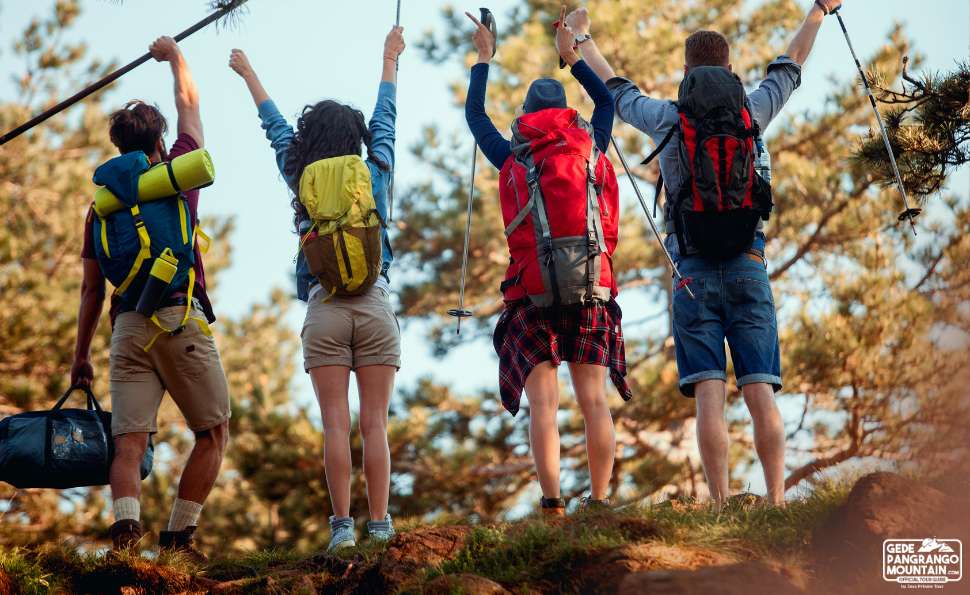
gedepangrangomountain – often sparks images of busy trails, misty summits, and hikers moving through volcanic forests. But there are moments each year when the gates close, trails fall quiet, and Mount Gede Pangrango enters a different rhythm of life.
Many people assume a closed national park simply pauses all activity. In reality, closure periods are when some of the most important work and natural recovery happen behind the scenes.
Why Mount Gede Pangrango Is Sometimes Closed
Park closures usually occur due to extreme weather, volcanic activity, trail damage, or conservation needs. These decisions are not taken lightly. They are meant to protect both visitors and the fragile mountain ecosystem.
When access is limited, the mountain does not rest. It heals, adjusts, and prepares for the next season of visitors.
Forest Recovery Without Human Pressure
Natural Regeneration Takes the Lead
With no hikers passing through, forest floors begin to recover quickly. Soil that was compacted by foot traffic loosens. Young plants and moss reclaim trail edges. Leaf litter builds up again, helping retain moisture and nutrients.
In volcanic forests like those on Mount Gede Pangrango, this quiet time supports long term ecosystem balance.
Healthier Water Sources
Streams and springs benefit as well. Reduced disturbance means clearer water flow and less erosion, especially in steep areas near popular routes.
Wildlife Movement Becomes More Natural
Closure periods allow wildlife to move more freely across the mountain. Animals that usually avoid busy trails begin using these corridors again.
Species Commonly Seen During Closures
- Javan gibbons calling deeper and closer to trails
- Bird species nesting near former rest areas
- Small mammals crossing paths that were once crowded
This temporary return of natural behavior helps scientists and rangers monitor ecosystem health without human interference.
Trail Maintenance and Safety Work
While visitors stay away, rangers and conservation teams stay busy.
What Gets Done on Closed Trails
- Repairing erosion damage and steps
- Clearing fallen trees and unstable branches
- Improving drainage to prevent landslides
- Updating trail markers and safety signs
This work ensures that when Mount Gede Pangrango reopens, trails are safer and more sustainable for everyone.
Ranger Patrols and Environmental Monitoring
Even when the park is closed to the public, ranger patrols continue.
Behind the Scenes Responsibilities
- Monitoring volcanic activity and weather conditions
- Preventing illegal logging or wildlife disturbance
- Collecting ecological data for conservation planning
This constant presence protects the mountain and maintains its status as one of West Java’s most important national parks.
Why Closures Benefit Future Visitors
Temporary closures help ensure that Mount Gede Pangrango remains healthy and welcoming in the long run. Forest recovery, wildlife balance, and trail safety all improve because of these quiet periods.
Our team is not a generalist, but a specialist. We focus deeply on understanding Mount Gede Pangrango, its rhythms, and its responsibilities. This knowledge shapes how visits are planned, always with respect for nature and conservation rules.
Visiting With Respect After Reopening
When the park reopens, visitors play a role in keeping the mountain healthy. Staying on marked trails, carrying out all trash, and respecting wildlife help extend the benefits gained during closure periods.
Mount Gede Pangrango gives generously to those who treat it with care.
So, if you’re ready to explore the wonders of volcanic forests on Mount Gede, head over to our REQUEST PAGE and let’s start planning your adventure. Or you can simply CLICK THIS LINK to chat with us on WhatsApp. With Java Private Tour, you’re not just getting a guide; you’re gaining a friend who will ensure your trip is nothing short of extraordinary. See you in Java!