The Impact of Anthropogenic Noise and Vibrations
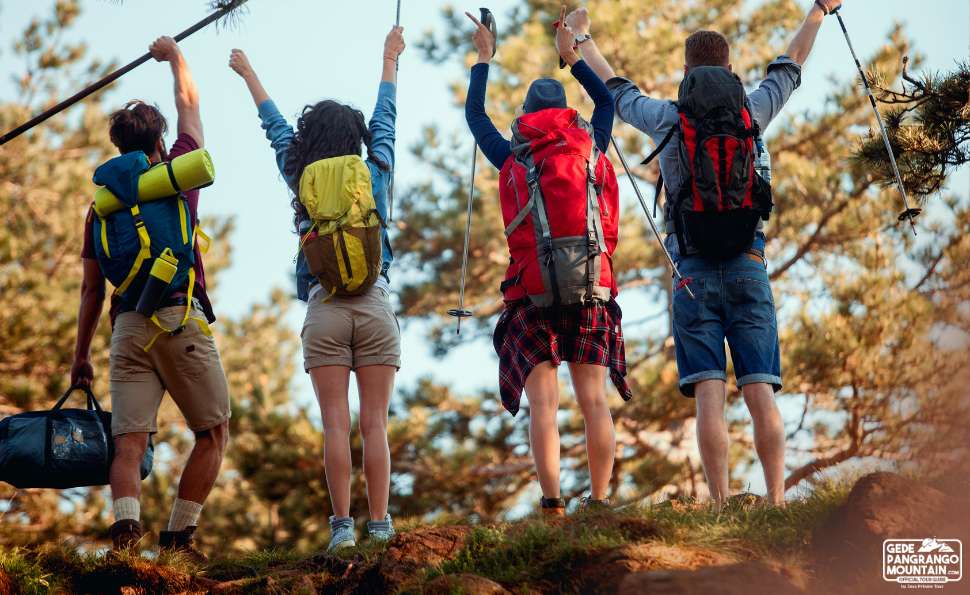
The primary reason wildlife becomes elusive during busy days is the introduction of anthropogenic noise. Animals in the Gede Pangrango National Park have highly sensitive hearing, tuned over millennia to detect the subtle rustle of a predator or the call of a mate. The cumulative sound of hundreds of conversations, the clatter of trekking poles on volcanic rock, and the rustle of plastic packaging create a wall of “acoustic fog” that disrupts their natural communication. For many species, this noise is perceived as a direct threat, triggering a biological flight response that sends them deep into the inaccessible ravines of the mountain.
Furthermore, the physical vibrations of a busy trail can be felt by ground-dwelling species long before a human is ever seen. Small mammals and reptiles are incredibly sensitive to the rhythmic vibrations of foot traffic. On busy days, the constant “pounding” on the trail creates a zone of exclusion around the main paths. At Java Private Tour, we believe that observing these sensitivities helps our guests find their own inner strength through quietude. The mountain teaches us that power is not always found in noise, but in the ability to move through the world with grace and minimal impact, allowing us to witness the beauty that remains hidden from the loud and the hurried.
The Scent Trail and the “Zone of Fear”
While humans rely primarily on sight, the residents of the Gede Pangrango forest live in a world of scent. On busy hiking days, the trail becomes a saturated corridor of human odors—perfumes, soaps, processed foods, and sweat. For a Javan Leopard or a Barking Deer, this scent profile is an overwhelming signal of “unnatural” presence. This creates what ecologists call a “zone of fear” around the hiking infrastructure. Even if the trail is physically empty for a moment, the lingering scent remains, keeping wildlife at a distance for hours or even days after the crowd has passed.
This olfactory disturbance forces animals to alter their natural ranging patterns. On weekends, many species may become strictly nocturnal or move to the steeper, less-traveled western slopes of Pangrango to avoid the sensory overload of the main Cibodas or Gunung Putri routes. We recognize that this behavioral shift is a vital survival strategy for the mountain’s residents. By understanding the “zone of fear,” we learn to appreciate the ridge trek dream as a privilege. It encourages us to be more deliberate in our movements and more respectful of the invisible boundaries that define the animal kingdom, finding a sense of balance within the vast volcanic landscape.
Altered Foraging Rhythms and Energy Costs
When the trails are busy, animals are forced to abandon their preferred foraging spots near the paths. For a bird like the Javan Trogon or a primate like the Javan Gibbon, this displacement has a real energy cost. They must travel further into the dense undergrowth to find food, often in areas that are less productive or more dangerous. The constant interruption of their feeding cycles means they spend more time hiding and less time consuming the calories needed to survive the cold mountain nights. This “avoidance behavior” is a significant stressor on the high-altitude ecosystem.
During peak periods, you might notice that the only animals visible are “habituated” species—those that have learned to tolerate human presence in exchange for food scraps. However, these are not representative of the mountain’s wild heart. As a specialist team, we take great pride in explaining these ecological stresses to our guests. We understand that the mountain is a delicate balance of energy and space. Our guides provide a professional insight that transforms your trek into an exercise in environmental empathy, helping you find your true potential as a protector of the wild. We help you connect with the mountain’s silent inhabitants through expert terrain knowledge and authentic Indonesian hospitality, ensuring you understand the weight of every footprint.
Why a Specialist Perspective is Vital for Quiet Observation
If you want to witness the true wildlife of Mount Gede, you must move beyond the “busy day” mentality. We are not a generalist provider; we are a specialist team with a deep understanding of the mountain’s quietest hours and secret corners. Our certified guides are officially registered and trained to identify the subtle signs of animal presence that others miss—a fresh track in the mud or a distant, specific alarm call. We prioritize your experience by suggesting off-peak timing and low-impact movement, providing the professional insurance and legal registration that unregistered guides cannot offer. We ensure a secure, legal, and eco-friendly journey.
Choosing an official, certified guide ensures that you are following the ethical guidelines of the National Park, designed to minimize the very disturbances that drive wildlife away. We provide the peace of mind that comes from knowing your guide is an expert in both high-altitude safety and forest etiquette. Our mission is to enhance your patience and skills, providing the terrain insights needed to move through the forest as a guest, not an intruder. With our team, you gain a local friend who knows when the mountain is “breathing” and helps you experience the magic of the ridges with professional integrity. We focus on a high-quality adventure that honors the sanctuary of the Javanese wilderness.
The Spiritual Clarity of the Solitary Path
There is a unique kind of spiritual clarity that comes from walking the ridges of Mount Gede when the crowds are gone. In the silence, your senses sharpen. You begin to notice the small things—the iridescent beetle on a mossy log, the distant shadow of a hawk-eagle, the rhythmic drip of condensation in the canopy. This is the ultimate reward of the ridge trek dream: a moment of absolute truth where you are no longer a spectator, but a part of the forest itself. The silence is not an absence of sound, but a presence of a different, more profound kind of life that only reveals itself to those who are still.
This connection to the quiet mountain is what stays with you long after the descent. As you look back at the twin peaks of Gede and Pangrango, you carry that sense of internal stillness with you. The mountain has taught you that the most valuable experiences cannot be rushed or crowded; they must be earned through patience and respect. The elusive wildlife of Gede is a symbol of that purity. Your journey has shown you your own true potential to be mindful and present. Let the spirit of the silent forest inspire you to find your own internal fire and keep moving toward your own personal summit with a quiet and focused heart.
Preserving the Peace of the Volcanic Peaks
The high-altitude zones of Gede Pangrango are some of the last refuges for Java’s rarest species. As hiking becomes more popular, preserving the “acoustic and olfactory peace” of these areas becomes a critical mission. We advocate for the highest standards of responsible trekking, encouraging hikers to keep voices low, avoid the use of speakers, and strictly manage their waste. By respecting the silence of the forest, we ensure that the Javan Leopard and the Javan Hawk-Eagle can continue to hunt and thrive without constant disturbance. Protecting the peace of Mount Gede is a shared responsibility that honors the biological forces that define this sanctuary.
Ultimately, the reason wildlife is harder to spot during busy hiking days is a reminder of our own power to impact the natural world. The mountain provides the space, and we provide the influence. As you hike the high ridges of Gede Pangrango, feeling the mist and listening to the distant calls of the forest, you understand that your journey is part of a delicate relationship. The mountain is a giver of perspective, and its elusive residents are its most honest critics. Let the silence of the forest wash away your distractions and leave you with a clear heart and a focused mind. See you in the quiet heights!
So, if you’re ready to explore the wonders of volcanic forests on Mount Gede, head over to our REQUEST PAGE and let’s start planning your adventure. Or you can simply CLICK THIS LINK to chat with us on WhatsApp. With Java Private Tour, you’re not just getting a guide; you’re gaining a friend who will ensure your trip is nothing short of extraordinary. See you in Java!