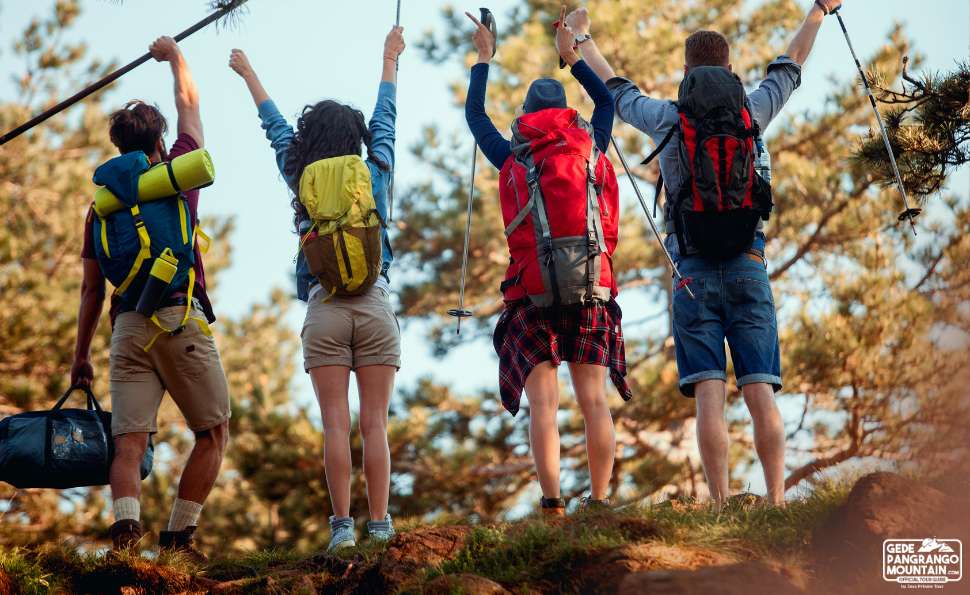
gedepangrangomountain – Every step you take on Mount Gede carries a quiet surprise. Even for those who have climbed it more than once, the mountain never feels quite the same. One day the trail feels gentle and welcoming, the next it feels mysterious and demanding. This is not coincidence. Mount Gede Pangrango National Park is a living landscape, shaped by weather, wildlife, volcanic activity, and the rhythm of the forest itself.
As local guides often say, you do not simply hike Mount Gede. You meet it, again and again, in a slightly different mood each time.
A Mountain That Breathes With the Weather
Weather is the most obvious reason why no two hikes on Mount Gede feel identical. The mountain sits at the meeting point of shifting air currents from the lowlands and the highlands of West Java. This creates fast changing conditions, even within the same day.
Morning Calm and Afternoon Drama
Early morning hikes often begin with cool air, soft light, and quiet trails. Mist hangs between the trees, and footsteps sound muted on damp soil. By midday, clouds may rise quickly, wrapping the forest in fog or bringing sudden rain. In the afternoon, sunlight can break through again, turning wet leaves into mirrors of green and gold.
These changes affect not only visibility but also mood, pace, and energy. A trail that felt peaceful in the morning can feel wild and powerful after a rainstorm.
Volcanic Terrain That Is Always Shifting
Mount Gede is an active volcanic system, and its landscape reflects that restless nature. While major eruptions are rare and closely monitored, the mountain is constantly reshaping itself in small, subtle ways.
Soil, Steam, and Sulfur
Volcanic soil along the trails can change texture depending on rainfall and erosion. Some sections feel firm and dry one week, then soft and muddy the next. Near the summit, fumaroles release steam and sulfur scents that vary in strength depending on temperature and wind direction.
Even the color of rocks and ground can look different, influenced by moisture and mineral exposure. These details give each hike its own character.
Forest Life That Never Repeats Itself
The forest of Mount Gede Pangrango is alive in a very real sense. It is home to countless plant and animal species, many of which are active at specific times or under certain conditions.
Wildlife Encounters Are Never Scheduled
On one hike, you may hear the distant call of a Javan gibbon echoing through the canopy. On another, you might spot a troop of silvered leaf monkeys moving quietly above the trail. Birdlife changes with the seasons, and insects appear in greater numbers after rain.
Because wildlife follows natural rhythms, no guide can promise the same encounters twice. This unpredictability is part of what makes Mount Gede special.
Trails That Feel Different With Every Step
Mount Gede offers several well known routes, such as the Cibodas and Gunung Putri trails. While the paths are clearly defined, their feel changes constantly.
Light, Sound, and Surface
Sunlight filters differently through the forest depending on cloud cover and season. Sometimes the trail is bright and open, other times dim and enclosed. Sounds shift as well, from birdsong and wind to dripping water and rustling leaves.
The surface underfoot responds to these elements. Dry roots provide firm footing one day, while rain makes them slippery the next. This keeps hikers alert and engaged.
The Human Factor
Another reason every hike feels different is you. Your energy, mindset, and experience level all influence how the mountain feels.
Each Visit, A New Perspective
First time hikers often focus on reaching the summit. Return visitors notice smaller details, moss patterns on tree trunks, changes in forest scent, or the quiet beauty of resting spots along the trail. As you grow more familiar with Mount Gede, it reveals different layers of itself.
Seasons Shape the Experience
Mount Gede does not have four seasons like temperate mountains, but it does follow clear wet and dry cycles.
Rainy and Dry Season Contrasts
During the rainy season, the forest feels lush and vibrant. Waterfalls are stronger, colors are deeper, and the air feels heavy with life. In the dry season, trails are easier to navigate, views are often clearer, and temperatures can feel cooler at higher elevations.
Neither season is better than the other. They simply offer different experiences.
Respecting a Living Mountain
Because Mount Gede is constantly changing, responsible trekking is essential. Staying on marked trails, carrying out all waste, and respecting wildlife help preserve the balance that makes these varied experiences possible.
This mountain rewards those who approach it with patience and respect. It is not a theme park or a checklist destination. It is a living ecosystem.
Guided by Specialists, Not Generalists
Exploring Mount Gede safely and meaningfully requires deep local knowledge. This is not a place for generic approaches. True understanding comes from specialization, from people who focus on this mountain, its trails, its weather patterns, and its natural rhythms.
That specialist mindset ensures each hike is not only safe, but deeply connected to the landscape.
Why You Will Always Want to Return
Many hikers leave Mount Gede already planning their next visit. They know that the mountain they met this time will not be exactly the same the next time.
That sense of discovery is what keeps people coming back. Mount Gede does not repeat itself. And neither do you.
So, if you’re ready to explore the wonders of volcanic forests on Mount Gede, head over to our REQUEST PAGE and let’s start planning your adventure. Or you can simply CLICK THIS LINK to chat with us on WhatsApp. With Java Private Tour, you’re not just getting a guide; you’re gaining a friend who will ensure your trip is nothing short of extraordinary. See you in Java!