
gedepangrangomountain – step onto the trails of Mount Gede Pangrango National Park and you’ll immediately notice something extraordinary. The forest feels impossibly green. Moss blankets ancient trees, ferns unfurl beside the trail, and towering canopies thrive even on steep volcanic slopes. As a local nature guide, I’m often asked the same question by hikers catching their breath in the cool mountain air: why is this forest so lush? The answer lies beneath your boots — in the rich volcanic soil shaped by Mount Gede’s fiery past.
Volcanoes may seem destructive at first glance, but over time they become powerful creators of life. On Mount Gede, generations of eruptions have produced some of the most fertile soil in Indonesia, supporting one of West Java’s richest mountain ecosystems. Let me walk you through how volcanic soil transforms devastation into abundance.
The Volcanic Origins of Mount Gede Pangrango
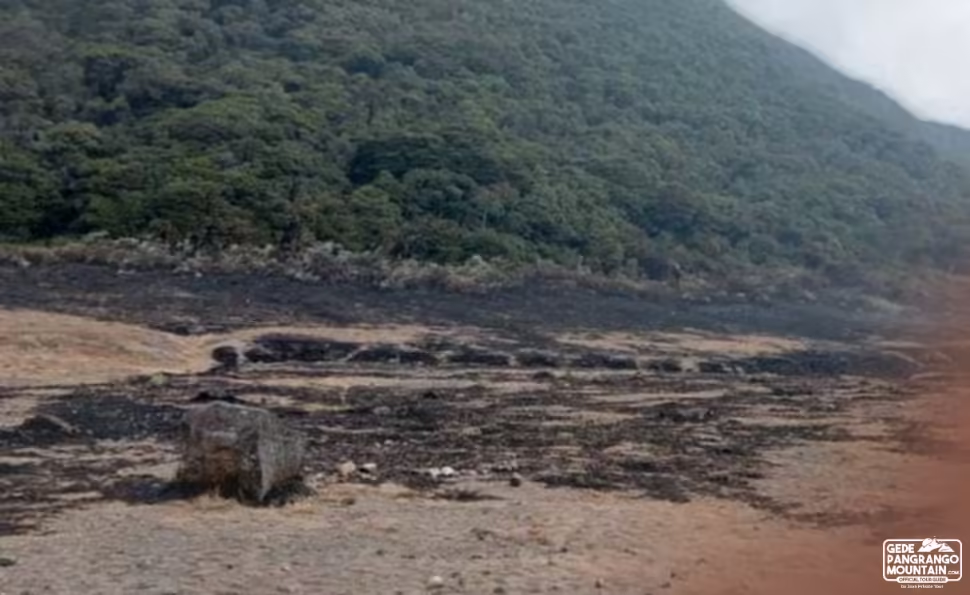
Mount Gede and Mount Pangrango are stratovolcanoes that have shaped the surrounding landscape for thousands of years. Eruptions released layers of ash, lava, and fragmented rock that settled across the slopes. While early eruptions may have stripped vegetation, nature responded with remarkable resilience.
As volcanic material cooled and weathered, it formed a special soil type known as Andisols. These soils are the foundation of Mount Gede’s lush montane forests, providing ideal conditions for plant growth, water regulation, and biodiversity.
Abundant Mineral Nutrients Feed the Forest
One of the greatest gifts of volcanic soil is its mineral richness. Volcanic ash and lava are packed with essential nutrients such as potassium, phosphorus, calcium, magnesium, and iron. Over time, rain and microbial activity break down these materials, slowly releasing nutrients into the soil.
Unlike synthetic fertilizers that wash away quickly, volcanic soil offers a steady, long-term nutrient supply. Trees, shrubs, orchids, and ground plants absorb these minerals continuously, fueling vigorous growth and vibrant foliage throughout Mount Gede Pangrango National Park.
Superior Water Retention Keeps the Forest Green
If you’ve ever hiked Mount Gede during the dry season and wondered why the forest still feels fresh, volcanic soil is the reason. Andisols have a light, porous structure that can hold two to three times more plant-available water than most other soils.
This remarkable water retention allows roots to access moisture long after rainfall. Streams continue to flow, moss stays hydrated, and the forest maintains its lush appearance even during drier months — a critical factor for wildlife and plant survival.
Biological Stimulation Beneath the Surface
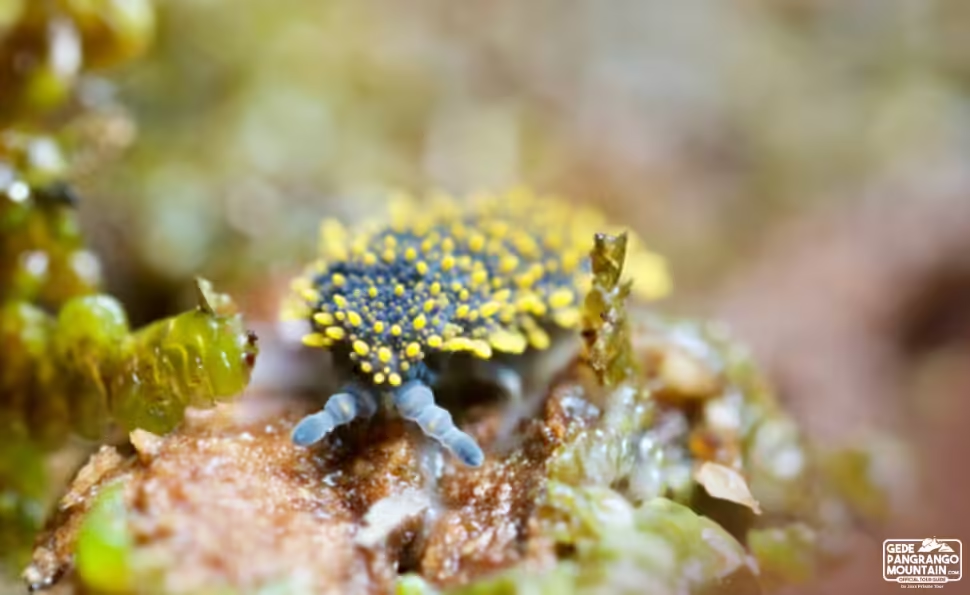
Volcanic soil doesn’t work alone. It actively supports beneficial bacteria and fungi that thrive in mineral-rich environments. These microorganisms help plants absorb nitrogen and iron more efficiently, dramatically boosting productivity.
In fact, studies show that volcanic soils can increase forest productivity up to three times compared to non-volcanic soils. On Mount Gede, this biological partnership supports towering trees, dense undergrowth, and the incredible plant diversity hikers encounter along the trails.
Rapid Weathering Creates Fertile Topsoil
Another unique advantage of volcanic ash is how quickly it weathers. Fine ash particles break down rapidly and mix with fallen leaves, decomposing wood, and organic matter. This process forms a dark, nutrient-rich topsoil that acts as a natural compost layer.
On Mount Gede, this fertile topsoil supports seed germination and root development, helping forests regenerate swiftly after disturbances — whether from natural events or human impact.
Excellent Soil Structure for Healthy Roots
Despite holding large amounts of water, volcanic soil drains exceptionally well. Its porous structure prevents waterlogging while allowing air to circulate freely around roots. This balance encourages deep root growth, anchoring massive trees securely on steep volcanic slopes.
Healthy roots mean healthier forests, capable of withstanding heavy rainfall, strong winds, and seasonal changes common in West Java’s mountain climate.
Natural Microclimate Benefits
Volcanic ash also influences the forest microclimate. Acting like a natural mulch, it helps keep soil temperatures 6–10°C cooler during the day and reduces evaporation. Cooler soil protects delicate root systems and creates ideal conditions for shade-loving plants such as ferns, mosses, and orchids.
This subtle temperature regulation is one of the reasons Mount Gede’s forest feels refreshingly cool, even when the lowlands below are warm.
From Eruption to Ecosystem
What makes Mount Gede Pangrango truly special is how these factors work together. Nutrient-rich minerals, superior water retention, biological stimulation, rapid soil formation, and stable structure transform volcanic landscapes into thriving ecosystems.
Today, these forests support endemic birds, rare plants, and iconic species that depend on healthy soil. Every step you take on the trail is supported by centuries of natural renewal beneath your feet.
Exploring Volcanic Forests with the Right Guide
Understanding the land adds depth to every hike. This is why Java Private Tour is not a generalist travel company, but a specialist in nature-based and volcanic landscape experiences. Our guides don’t just lead the way — they share stories, science, and local knowledge that bring Mount Gede’s forest to life.
When you walk with us, you’ll learn how fire created forests, how soil sustains life, and why Mount Gede Pangrango remains one of Java’s most important conservation areas.
Your Invitation to Experience Mount Gede
So, if you’re ready to explore the wonders of volcanic forests on Mount Gede, head over to our REQUEST PAGE and let’s start planning your adventure. Or you can simply CLICK THIS LINK to chat with us on WhatsApp. With Java Private Tour, you’re not just getting a guide; you’re gaining a friend who will ensure your trip is nothing short of extraordinary. See you in Java!