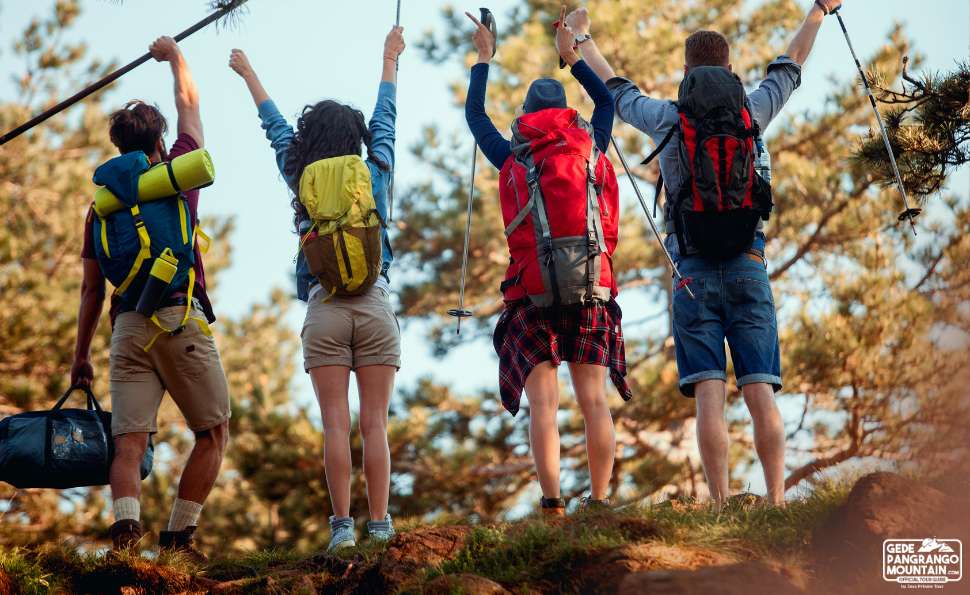
gedepangrangomountain rises gently from fertile lowland forests into cool volcanic highlands, creating a landscape that feels welcoming yet powerful. Many first time trekkers assume Mount Gede is an easy climb because it is popular and well marked. What often surprises them is how even moderate altitude changes can quietly affect the human body along the trail.
As a local guide who has walked these paths in all seasons, I have seen how understanding altitude can turn a tiring hike into a comfortable and memorable journey. This guide explains what happens to your body as you ascend Mount Gede, why it matters, and how to adapt naturally and responsibly while respecting the mountain.
Understanding Mount Gede Altitude in Context
Mount Gede reaches around 2,958 meters above sea level. While this is not extreme by global standards, it is high enough to trigger noticeable physical changes, especially for visitors coming from coastal cities or lowland areas of Java.
Altitude Zones Along the Trail
The ascent of Mount Gede happens gradually, passing through several natural zones:
- Lowland forest from trailheads up to around 1,500 meters, warm and humid with rich biodiversity
- Montane forest between 1,500 and 2,400 meters, cooler air and thicker moss growth
- Subalpine zone near the summit, open terrain with volcanic features and strong winds
Each zone brings subtle environmental shifts that influence how your body responds.
Why Altitude Affects the Human Body
As elevation increases, air pressure decreases. This means there is less oxygen available in each breath. Your body responds immediately by working harder to deliver oxygen to vital organs.
Common Physical Responses
Most trekkers experience mild and temporary effects, especially above 2,000 meters:
- Faster breathing and heart rate
- Shortness of breath during uphill sections
- Increased fatigue even with light activity
- Mild headache or light dizziness
These responses are normal and not dangerous when managed properly. On Mount Gede, they usually appear gradually, giving hikers time to adapt.
Altitude Sickness on Mount Gede
Altitude sickness, also known as acute mountain sickness, can occur when the body struggles to adjust to reduced oxygen levels. On Mount Gede, serious cases are rare but mild symptoms do happen.
Early Signs to Watch For
Knowing the signs helps prevent problems from escalating:
- Persistent headache that does not improve with rest
- Nausea or loss of appetite
- Unusual fatigue or weakness
- Trouble sleeping at higher camps
If these symptoms appear, slowing down or resting is often enough. Descending slightly usually brings quick relief.
How the Body Adapts Naturally
The human body is remarkably adaptable. Given time and care, it adjusts to altitude through several mechanisms.
Short Term Adaptation
During the first hours of ascent:
- Breathing becomes deeper and more frequent
- The heart pumps faster to circulate oxygen
- Fluid balance shifts to improve oxygen transport
Longer Adaptation Over the Trek
On multi day hikes or slow ascents, the body begins producing more red blood cells, improving oxygen delivery. This is why pacing is so important on Mount Gede.
Smart Trekking Strategies for Mount Gede
Local experience has shaped simple practices that help trekkers feel comfortable and safe.
Walk Slower Than You Think You Need To
The most common mistake is rushing. A steady pace allows your breathing and heart rate to stay balanced. On Mount Gede, slow walking often means you enjoy more wildlife sounds and forest details too.
Hydration Matters More at Altitude
Cool air can mask dehydration. Drink water regularly even if you do not feel thirsty. Proper hydration helps reduce headaches and fatigue.
Eat Small and Regular Meals
Light, energy rich foods are easier to digest at higher elevations. Local guides often recommend simple snacks like bananas, nuts, and rice based meals.
Sleeping at Higher Elevations
Camping areas such as Kandang Badak sit above 2,000 meters. Sleep can feel lighter here due to altitude and cooler temperatures.
Tips for Better Rest
- Keep warm to help your body relax
- Avoid caffeine late in the day
- Take short walks before sleeping to settle breathing
Most trekkers adjust after the first night.
Altitude also affects the environment. Vegetation becomes more fragile as elevation increases. Staying on designated trails protects delicate alpine plants and prevents erosion.
Responsible trekking ensures that future visitors can experience Mount Gede in the same pristine condition.
Navigating altitude is not just about physical strength. It is about reading the mountain, weather patterns, and group condition. This is why local expertise matters.
Java Private Tour is not a generalist. It is a specialist with deep knowledge of Mount Gede Pangrango National Park, focusing on safety, pacing, and environmental respect rather than rushing itineraries.
Who Should Be Extra Careful
Most healthy individuals can hike Mount Gede comfortably. Extra attention is recommended for:
- People new to mountain trekking
- Visitors arriving directly from sea level
- Those with respiratory sensitivity
Preparation and honest communication make a big difference.
Altitude teaches patience. On Mount Gede, the mountain sets the rhythm. When you listen to your body and the forest around you, the journey becomes smoother and more meaningful.
The cool volcanic air, misty trails, and quiet summit moments are rewards that come with respect for both nature and personal limits.
So, if you’re ready to explore the wonders of volcanic forests on Mount Gede, head over to our REQUEST PAGE and let’s start planning your adventure. Or you can simply CLICK THIS LINK to chat with us on WhatsApp. With Java Private Tour, you’re not just getting a guide; you’re gaining a friend who will ensure your trip is nothing short of extraordinary. See you in Java!