The Magma Chamber as the Mountain’s Thermal Heart
The primary driver of the heat found at the summit of Mount Gede is a massive body of molten rock, or magma, located several kilometers beneath the surface. This magma chamber acts as a thermal heart, constantly radiating energy upward through the mountain’s internal plumbing. Even during periods of volcanic dormancy, this heat does not dissipate; it remains trapped within the rock, slowly migrating toward the surface through conduction and the movement of volcanic gases. The crater sits at the apex of this heat column, marking the point where the internal pressure of the Earth has historically broken through the crust. This proximity to the magma source is why the rocks within the crater are often warm to the touch and why snow or frost rarely lingers on the inner caldera walls.
This underground heat also drives a process known as hydrothermal circulation. As rainwater seeps deep into the porous volcanic soil of the National Park, it eventually encounters the superheated rocks surrounding the magma chamber. The water is rapidly heated, causing it to expand and rise back toward the surface. This rising hot water carries dissolved minerals and gases, which are then released through the fumaroles and vents found in the crater. This constant upward flow of energy creates a unique micro-environment where life must adapt to both high acidity and high temperatures. For the trekker, witnessing the steam rise from these vents is a lesson in finding your own inner strength and resilience, standing at the interface between the cool atmosphere and the mountain’s fiery core.
Fumaroles and the Language of Volcanic Gas
The relationship between craters and underground heat is most visible in the form of fumaroles—vents that release a mixture of steam and volcanic gases. These gases, which include sulfur dioxide and hydrogen sulfide, are byproducts of the chemical reactions occurring in the magma chamber. As the underground heat increases, so does the pressure and volume of these gases, which then find the path of least resistance through the crater floor. The intensity, temperature, and chemical composition of these emissions provide vital clues about the mountain’s current thermal state. A “steaming” crater is a sign of a healthy, active hydrothermal system, where the underground heat is being safely and steadily dissipated into the atmosphere.
In certain areas of the Gede crater, you may encounter solfataras, which are fumaroles that specifically deposit bright yellow sulfur crystals. These crystals are the physical evidence of the subterranean heat’s power to transport minerals from the deep Earth to the surface. The sharp, pungent smell of sulfur is the “scent” of the mountain’s internal fire, a reminder that the world beneath your boots is far more dynamic than it appears. At Java Private Tour, we believe that understanding this geological language adds a layer of respect to your trek. You aren’t just looking at a hole in the ground; you are observing a complex energy exchange that has been functioning for thousands of years, fueling the fertile soils of West Java and the incredible biodiversity of the ridges.
Thermal Micro-Climates and High-Altitude Life
The heat radiating from the crater does more than just produce steam; it creates specialized thermal micro-climates that support unique biological communities. In the immediate vicinity of the vents, the ground temperature can be significantly higher than the ambient air temperature. This allows certain mosses and heat-tolerant plants to survive at altitudes where they would normally be killed by the nighttime frost. These “thermal islands” are fascinating examples of how life finds its niche in even the most challenging environments. Even the hardy Javanese Edelweiss, while not growing directly inside the active vents, benefits from the sheltered, mineral-rich environment created by the crater’s geological activity.
For the trekker, these thermal zones offer a strange and beautiful contrast. You can stand in a biting mountain wind while feeling the warmth of the Earth rising through your soles. This duality is a powerful metaphor for the human spirit—the ability to maintain an internal fire even when the external conditions are cold and difficult. As a specialist team, we understand how these thermal zones affect the trekking experience, from the way they influence local wind patterns to the safety considerations of gas concentrations. Our guides provide a professional insight that helps you navigate these “hot spots” with confidence, ensuring that your exploration of the crater is both safe and spiritually enriching. We help you find your true potential in a landscape defined by power and heat.
Why a Specialist Perspective is Essential Near the Crater
Exploring the relationship between craters and underground heat requires more than just a sense of adventure; it requires a high degree of technical expertise and terrain awareness. The environment near an active crater is dynamic, with gas levels and ground stability shifting based on weather and internal volcanic pressure. We are not a generalist provider; we are a specialist team with deep roots in the Gede Pangrango National Park. Our certified guides are trained to read the mountain’s thermal signals, ensuring that your visit to the crater is timed for maximum safety and visibility. We prioritize your well-being, providing a level of care and professional registration that unregistered guides simply cannot offer.
Choosing an official, certified guide ensures that you are following the legal safety protocols of the National Park. We provide the peace of mind that comes with professional insurance and extensive training in volcanic terrain management. Our mission is to enhance your skills and confidence, providing the terrain insights needed to move safely among the steaming vents and rocky ridges. With our team, you gain a local friend who understands the mountain’s boundaries and helps you experience the raw energy of the crater with professional integrity and authentic Indonesian hospitality. We focus on a high-quality, eco-friendly experience that honors the volcanic heritage of Java.
The Spiritual Resonance of the Earth’s Breath
In the local culture of West Java, the steam rising from the Gede crater is often seen as the mountain’s breath—a sign of its living presence. There is a profound sense of spiritual clarity that comes from standing at the edge of this thermal exchange. The crater is a place for silence and reflection, where the sheer scale of the Earth’s energy puts our daily struggles into perspective. It is a place to step beyond your comfort zone and realize that you are part of a massive, interconnected system of energy and life. The warmth of the crater is a reminder that the Earth is not a cold stone, but a vibrant, pulsing world that requires our respect and protection.
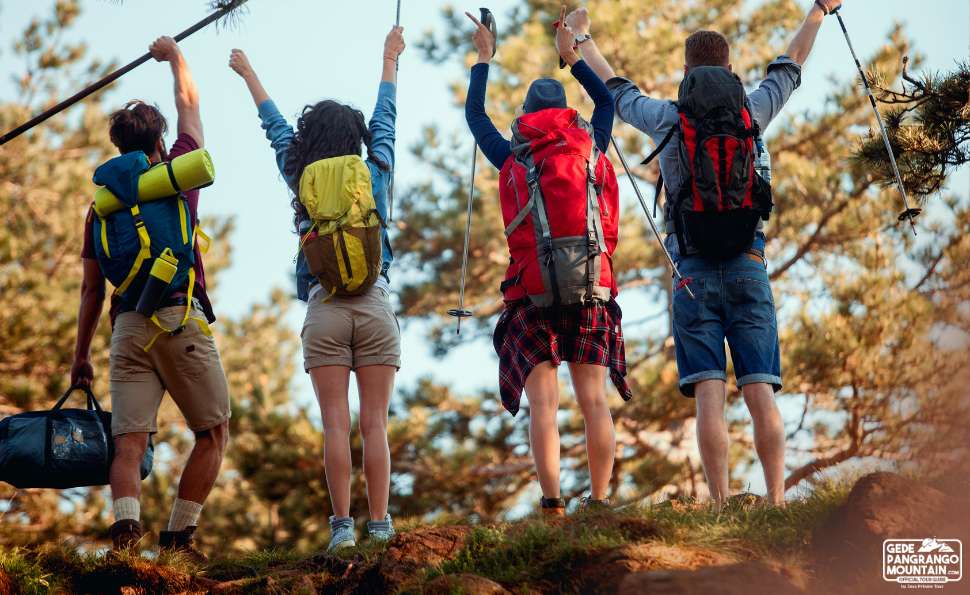
This connection to the Earth’s internal fire is the ultimate reward of the summit push. As you watch the sun rise over the steaming caldera, the light and heat seem to merge into a single experience of awe. The journey through the forest to the crater rim is a journey from the surface into the heart of the mountain’s mystery. By the time you begin your descent, you carry that sense of warmth and power within you—a quiet strength forged in the thin air and the volcanic heat of the summit. The ridge trek is a journey of discovery, where we find that the most powerful forces in nature are often the ones that are hidden just beneath the surface.
Preserving the Thermal Integrity of the Summit
The crater and its hydrothermal systems are among the most sensitive geological features in Indonesia. The delicate mineral crusts and the fragile micro-ecosystems that thrive near the heat can be easily damaged by human interference. We advocate for responsible trekking practices, including staying on the designated trails and never throwing objects into the vents. By respecting the relationship between the crater and its underground heat, we ensure that this natural laboratory remains pristine for future generations. Protecting the “breath of the mountain” is a shared responsibility that honors the geological forces that created the Gede Pangrango National Park.
Ultimately, the relationship between craters and underground heat is a reminder of the Earth’s enduring vitality. It is a sign that the mountain is still working, still changing, and still inviting us to witness its power. As you stand on the rim, watching the white plumes disappear into the blue sky, you understand that your journey was never just about reaching the top—it was about meeting the mountain on its own terms. The heat of Mount Gede is the signature of a world that refuses to be still, a world that inspires us to find our own resilience and keep moving forward. See you at the crater rim!
So, if you’re ready to explore the wonders of volcanic forests on Mount Gede, head over to our REQUEST PAGE and let’s start planning your adventure. Or you can simply CLICK THIS LINK to chat with us on WhatsApp. With Java Private Tour, you’re not just getting a guide; you’re gaining a friend who will ensure your trip is nothing short of extraordinary. See you in Java!