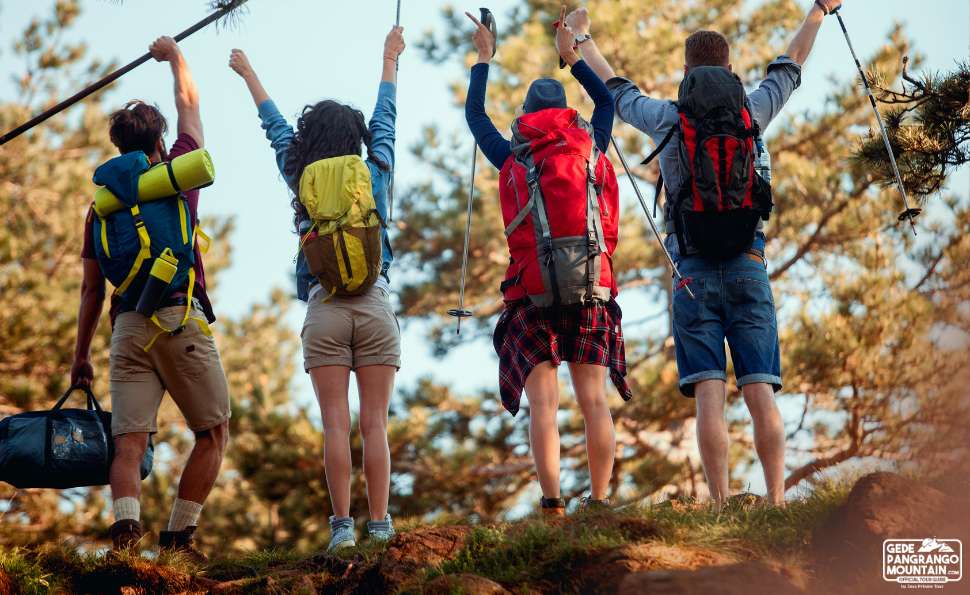
gedepangrangomountain rises quietly above West Java, wrapped in cloud forest, volcanic soil, and centuries of human stories. When you walk its trails, you are not just following a path through trees and rocks. You are stepping into names that carry meaning, memory, and deep connection to the land.
Many visitors ask the same question while trekking Mount Gede Pangrango National Park. Why are the trails called what they are? Names like Cibodas, Gunung Putri, Kandang Badak, and Selabintana sound poetic, mysterious, even sacred. These names were not chosen randomly. They reflect geography, wildlife, village history, and the way local people have understood the mountain for generations.
As a local guide would tell you while adjusting your backpack strap at the trailhead, knowing the meaning behind these names helps you walk with more awareness. It turns a hike into a story you can feel under your boots on Mount Gede Pangrango Trails.
Why Trail Names Matter on Mount Gede Pangrango
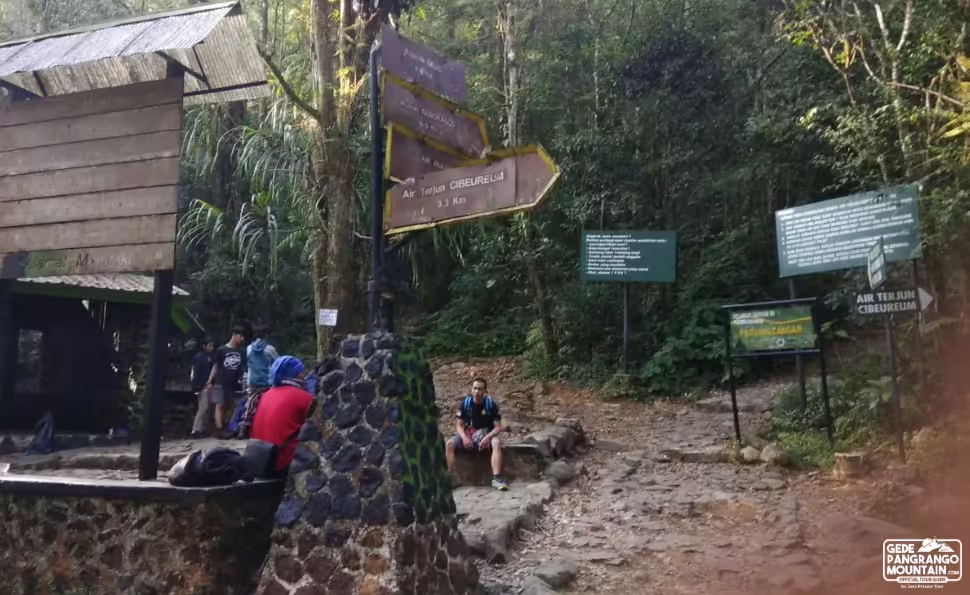
In Sundanese culture, naming is an act of respect. A name describes what a place is, what happened there, or how humans relate to it. On Mount Gede Pangrango, trail names often come from natural features like rivers and forests, animal behavior, or old travel routes used long before modern trekking existed.
These names also serve as mental maps. For locals, a trail name instantly suggests terrain, water sources, and conditions. Even today, park rangers and experienced porters rely on these names as practical guidance, not just labels on a map.
Understanding them encourages responsible trekking. When you know a place has meaning, you are less likely to treat it carelessly.
The Cibodas Trail and the Language of Water
What Cibodas Means
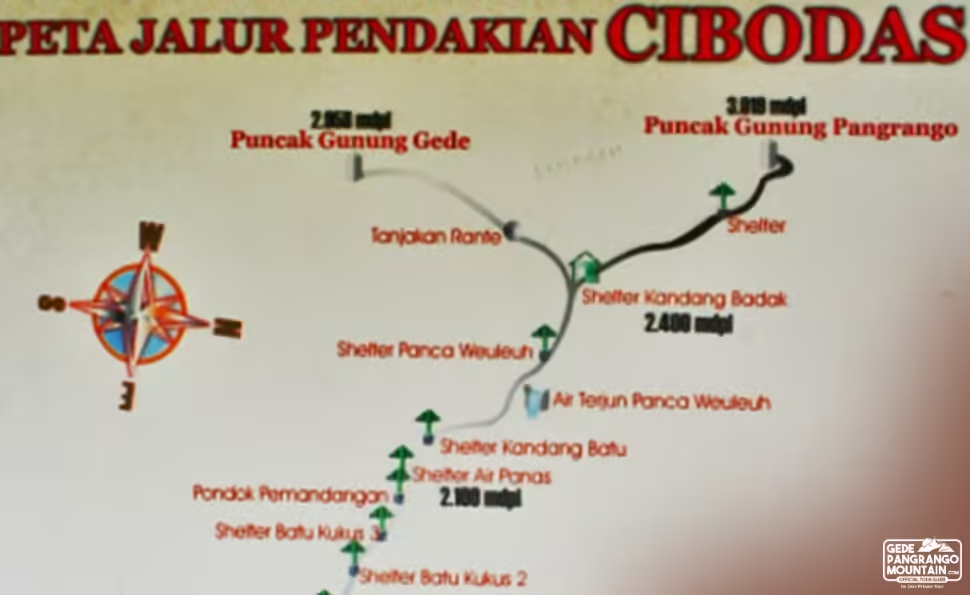
The Cibodas Trail is the most popular route to Mount Gede summit, and its name comes from Sundanese words. “Ci” means water or river, while “bodas” means white or clear. Cibodas can be understood as clear water.
This makes perfect sense once you step onto the trail. From the botanical garden entrance, streams flow gently through mossy stones, fed by volcanic springs. The water here has long been known for its clarity and purity.
A Historic Gateway to the Mountain
Cibodas was one of the earliest access points used by researchers, botanists, and conservationists during the colonial era. The trail passes landmarks like Telaga Biru and Air Panas, places named for their visible characteristics. Blue lake. Hot water.
Each name along the route works like a quiet description, helping walkers read the landscape without words.
Gunung Putri Trail and the Story of the Princess
Local Legends in the Landscape
Gunung Putri means Princess Mountain. This trail begins near an area associated with local folklore about a royal daughter connected to the highlands. While stories vary from village to village, the name reflects how the mountain is woven into cultural imagination.
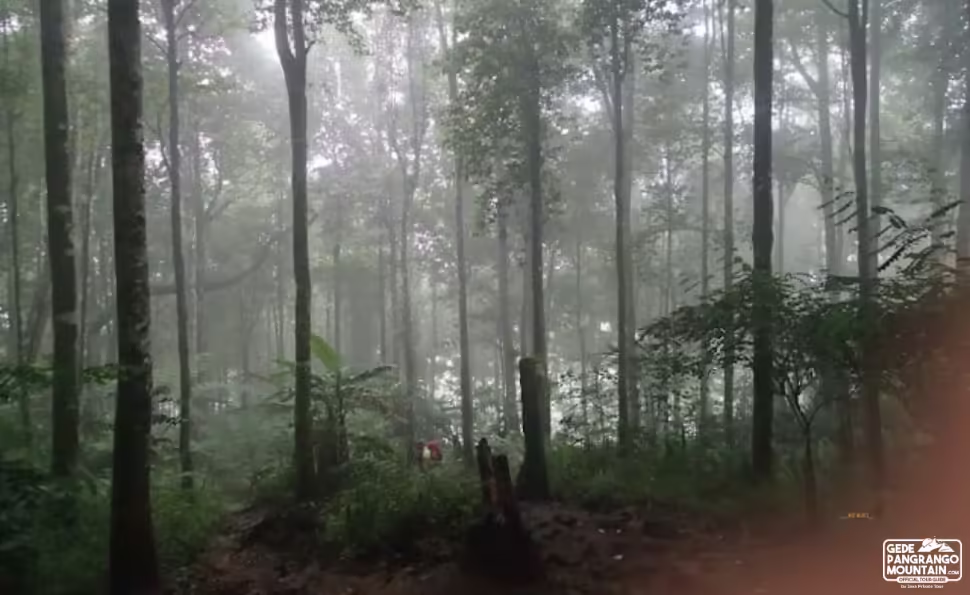
Unlike the busier Cibodas route, Gunung Putri feels more intimate. The forest closes in quickly, the air turns cooler, and the climb reminds you that legends often grow from challenging terrain.
A Path Once Used by Communities
Historically, this route was used by local people moving between highland settlements. The name helped mark territory and identity. It was not just a trail to a summit, but a connector between communities and nature.
Kandang Badak and the Memory of Wildlife
The Meaning Behind the Name
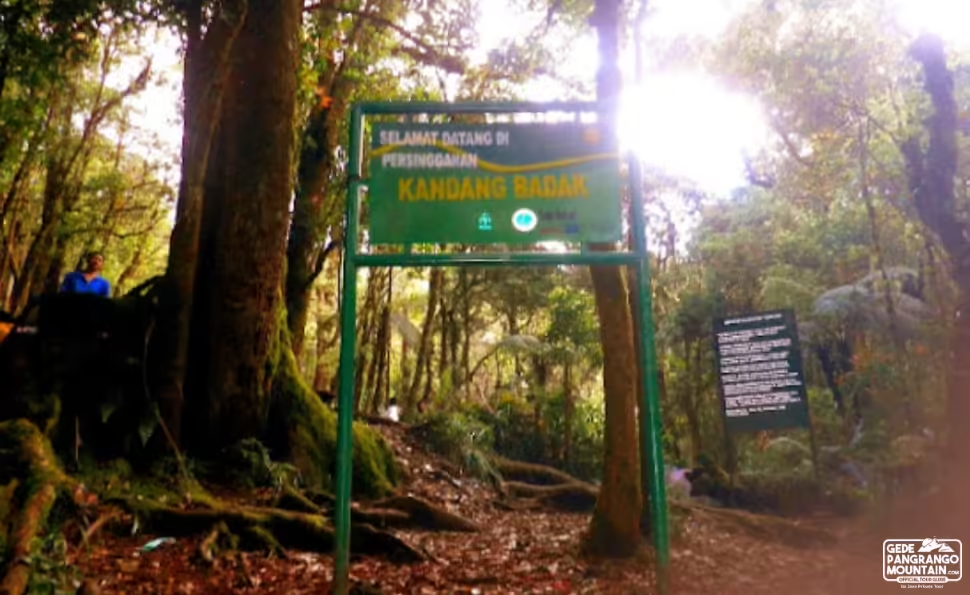
Kandang Badak translates to Rhino Enclosure. This name surprises many hikers, especially since Javan rhinoceroses no longer roam Mount Gede Pangrango. The name is a reminder of an earlier ecological era.
This wide saddle between Mount Gede and Mount Pangrango was once part of rhino habitat. Dense vegetation and open feeding areas made it suitable for large mammals.
A Place of Reflection Between Two Peaks
Today, Kandang Badak is a major campsite. At night, fog rolls in silently, and the forest feels ancient. Knowing the meaning of the name adds a layer of respect. It reminds trekkers that conservation is not abstract. Species disappear. Names remain as witnesses.
Selabintana and the Concept of Shelter
A Name Rooted in Rest
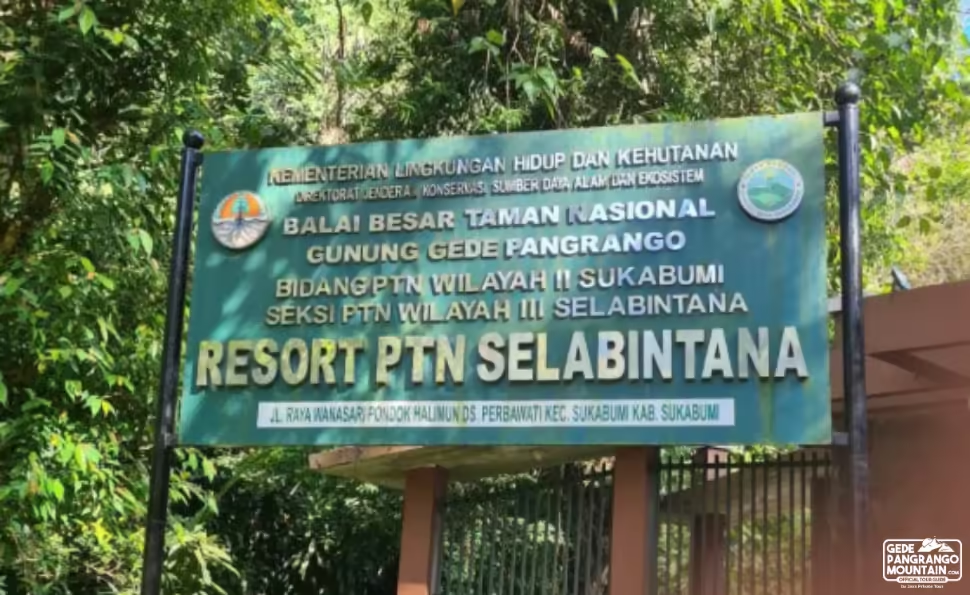
Selabintana comes from words associated with shelter and resting places. This area near Sukabumi has long been known as a cooler retreat, a place to pause before deeper forest travel.
The Selabintana Trail reflects this history. It is quieter, less traveled, and rich with old forest character. Giant trees, thick leaf litter, and steady elevation changes define the route.
From Traditional Route to Modern Trek
Long before it became a trekking option, Selabintana was part of movement patterns for locals collecting forest products and visiting sacred sites. The name honors its role as a supportive space rather than a dramatic destination.
Other Trail Names You Encounter Along the Way
Mount Gede Pangrango is full of smaller named spots that act like chapters in a book.
- Telaga Biru refers to the blue hue of its volcanic lake water.
- Air Panas simply means hot water, marking geothermal activity.
- Alun Alun Suryakencana describes a wide open meadow named after a revered figure, filled with edelweiss.
Each name is descriptive, practical, and poetic at the same time.
When you understand trail names, you naturally move with more care. You are less likely to litter near a spring named for clean water. You are more mindful camping in a place once shared with wildlife.
Responsible trekking on Mount Gede Pangrango means staying on designated paths, carrying out all trash, respecting wildlife, and listening to local guidance. Names are part of that guidance.
Exploring these trails with context requires more than general travel knowledge. Our team is not a generalist, but a specialist focused deeply on Mount Gede Pangrango. That focus allows stories, meanings, and safety considerations to come together naturally during your trek. You do not just follow a route. You understand where you are and why it matters.
Before You Step Onto the Trail
Mount Gede Pangrango is not only a volcanic landscape. It is a living archive of language, ecology, and human experience. Trail names are the mountain speaking softly, offering clues to those willing to listen.
Next time you see a wooden sign pointing toward Kandang Badak or Cibodas, pause for a moment. Say the name quietly. Let it guide not just your feet, but your awareness.
So, if you’re ready to explore the wonders of volcanic forests on Mount Gede, head over to our REQUEST PAGE and let’s start planning your adventure. Or you can simply CLICK THIS LINK to chat with us on WhatsApp. With Java Private Tour, you’re not just getting a guide; you’re gaining a friend who will ensure your trip is nothing short of extraordinary. See you in Java!