A Strategic Sanctuary in the Middle of the Climb
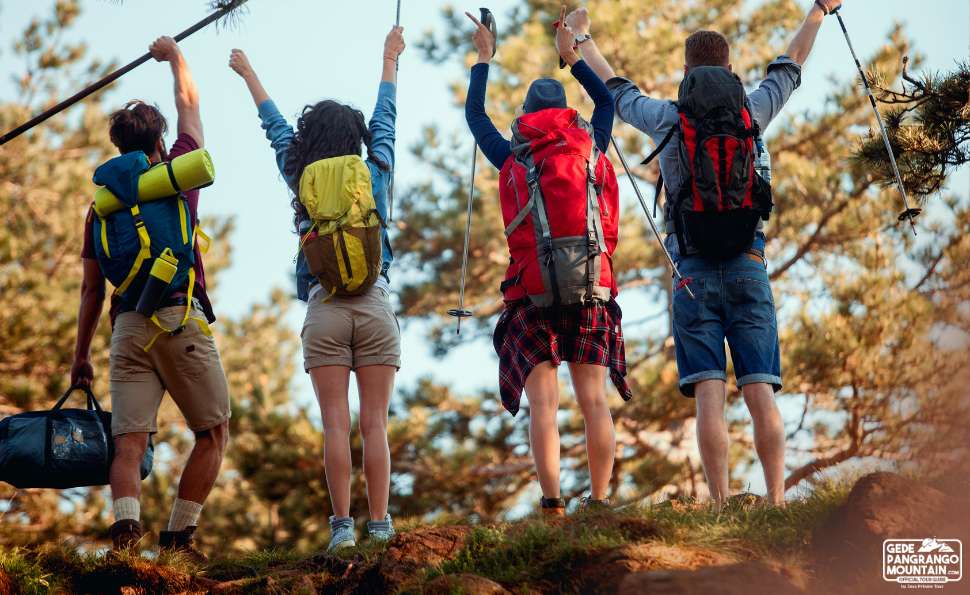
The name Kandang Batu literally translates to “Stone Pen” or “Rocky Enclosure,” a fitting description for a site characterized by its rugged, boulder-strewn terrain. For hikers coming up from the lower slopes, reaching this point feels like entering a natural shelter. After several hours of navigating the steep, root-heavy paths and passing landmarks like the Cibeureum waterfalls and the steaming Hot Springs, Kandang Batu provides the first major opportunity for a sustained rest. Its role is primarily one of recovery. Here, the canopy thins just enough to allow a glimpse of the sky, and the boulders offer sturdy seats where hikers can unbuckle their packs, adjust their boots, and refuel their bodies for the challenging miles that remain.
Resting at Kandang Batu is also a matter of logistical wisdom. The section of the trail leading up to this point is famously strenuous, particularly the crossing of the slippery, sulfurous streams of the Hot Springs. By the time hikers reach the “Rocky Enclosure,” their muscles are often tight and their energy reserves are dipping. Taking a break here allows for essential muscle recovery and hydration. It is the perfect place to check on your gear and ensure that everything is secured before the trail becomes even more vertical as you approach the Kandang Badak junction further up the mountain.
The Psychological Shift of the High Forest
Beyond the physical benefits, Kandang Batu represents a psychological milestone for many adventurers. In the deep woods of Mount Gede, the constant climb can sometimes feel like an endless tunnel of green. Emerging into the slightly more open space of Kandang Batu provides a mental reset. You are no longer in the “bottom” of the mountain; you have officially entered the high-altitude zone. The sounds of the forest change here too; the cicadas of the lowlands are replaced by the whistling of mountain birds and the rustle of the wind through more stunted, mossy vegetation. It is a place where you can find your strength and resilience, looking back at how far you have come and preparing your mind for the thin air of the summits.
For the observant hiker, Kandang Batu is also a fantastic spot for wildlife spotting. It is not uncommon to see the Javan Hawk-Eagle soaring high above the ridges or to hear the distant call of the Javan Gibbon echoing through the valleys. Resting here is an opportunity to practice a “quiet observation” of the mountain’s ecosystem. At Java Private Tour, we believe that the best journeys are not rushed. We are not a generalist tour company that races to the top; we are a specialist team that understands the value of these intermediate stops. Our guides know exactly how to time a rest at Kandang Batu to match your fitness level, ensuring you reach the higher altitudes with enough energy to truly enjoy the view.
The Importance of Water and Acclimatization
One of the most practical reasons hikers stop at Kandang Batu is the proximity to water sources. In the tropical highlands, staying hydrated is the most important factor in preventing altitude sickness and exhaustion. Many trekkers use this stop to top off their supplies or to use portable filtration systems in the nearby streams. This site also plays a role in the natural acclimatization process. By spending twenty or thirty minutes at this elevation, you allow your heart and lungs to adjust to the decreasing oxygen levels. It is a small but vital step that makes the final climb to the Gede crater or the Pangrango peak much more manageable and safe.
As specialists in the Gede Pangrango region, we emphasize the importance of using these established sites responsibly. Kandang Batu is a shared heritage for all who love the mountain. Keeping the area clean and respecting the silence of the forest ensures that it remains a welcoming sanctuary for every traveler who follows. When you hike with a certified guide, you learn the “hidden” history of these rocky clearings, from the ancient volcanic eruptions that deposited the boulders to the modern efforts to preserve the trail’s integrity. It turns a simple rest stop into a deep lesson in geology and conservation.
The Path Forward Toward the Peaks
Leaving Kandang Batu, the trail takes on a new intensity. The path toward Kandang Badak and the eventually diverging trails to the two summits becomes steeper and more rugged. This is why the rest at the “Stone Pen” is so cherished by experienced hikers. It is the last moment of relatively level ground before the true vertical challenge begins. It is the place where you tighten your laces, take a deep breath of the crisp mountain air, and commit yourself to the final stages of the adventure. The memory of the cool stones and the quiet forest at Kandang Batu often serves as a mental anchor when the climbing gets tough near the top.
Whether you are a first-time hiker or a seasoned veteran of the Javanese peaks, Kandang Batu is a place that demands respect and appreciation. It is a reminder that in the wild, the journey is composed of many small victories, and every rest is a step toward reaching your true potential amidst nature’s beauty.
So, if you’re ready to explore the wonders of volcanic forests on Mount Gede, head over to our REQUEST PAGE and let’s start planning your adventure. Or you can simply CLICK THIS LINK to chat with us on WhatsApp. With Java Private Tour, you’re not just getting a guide; you’re gaining a friend who will ensure your trip is nothing short of extraordinary. See you in Java!